
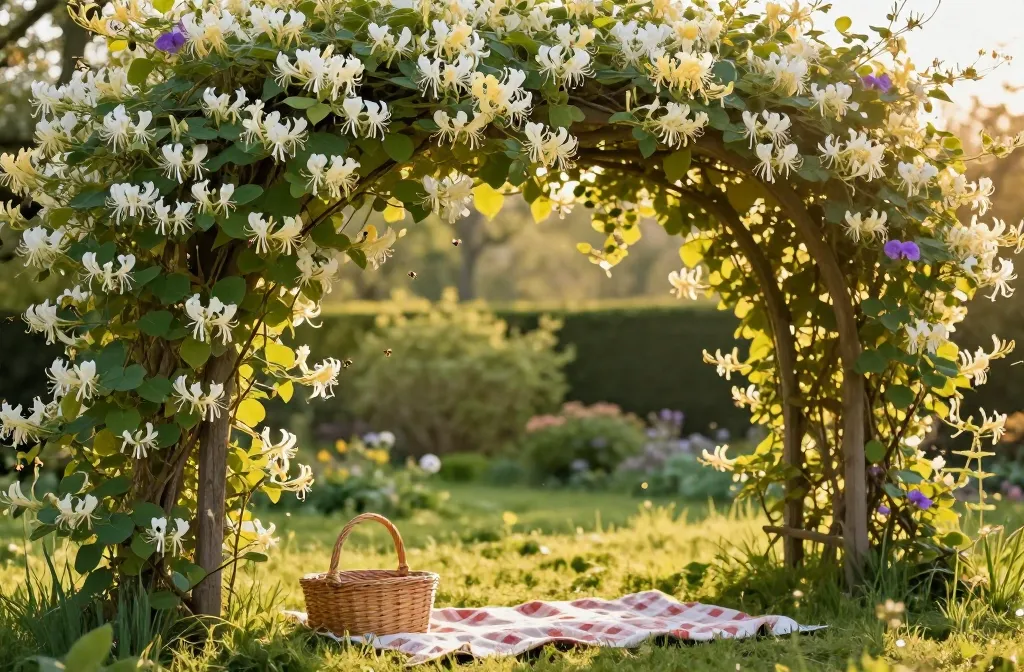
Want your picnic blanket to smell like a romantic movie scene? Honeysuckle vines bring big fragrance, soft color, and that “ahh, spring” feeling with zero pretension. They climb fences, drape arbors, and turn any yard into a scented hideaway. Grab your basket—these 15 picks deliver blooms, bees, and bliss.
1. Japanese Honeysuckle That Behaves (Lonicera japonica ‘Halliana’)
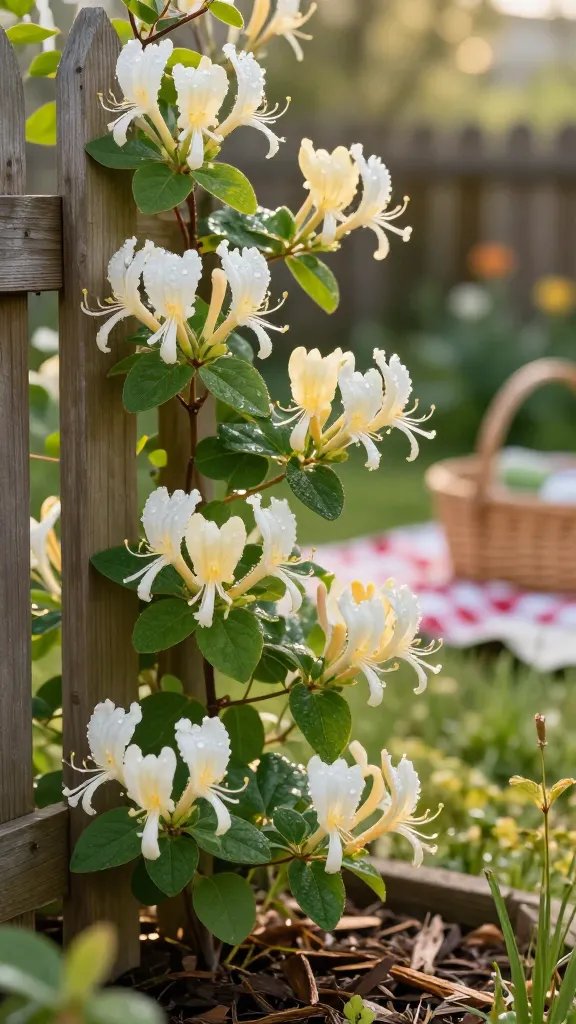
‘Halliana’ brings classic white-to-ivory blooms that blush yellow as they age. It’s intensely fragrant and ridiculously floriferous in spring. But yes, it can sprawl—give it structure and regular trims.
Tips
- Train it on a sturdy trellis or fence from day one.
- Shear after the first big flush to keep it tidy.
- Mulch the root zone to lock in moisture.
Use this if you want fast coverage and that quintessential honeysuckle perfume for lazy picnic afternoons.
2. Evergreen Screen Dream (Lonicera japonica ‘Purpurea’)
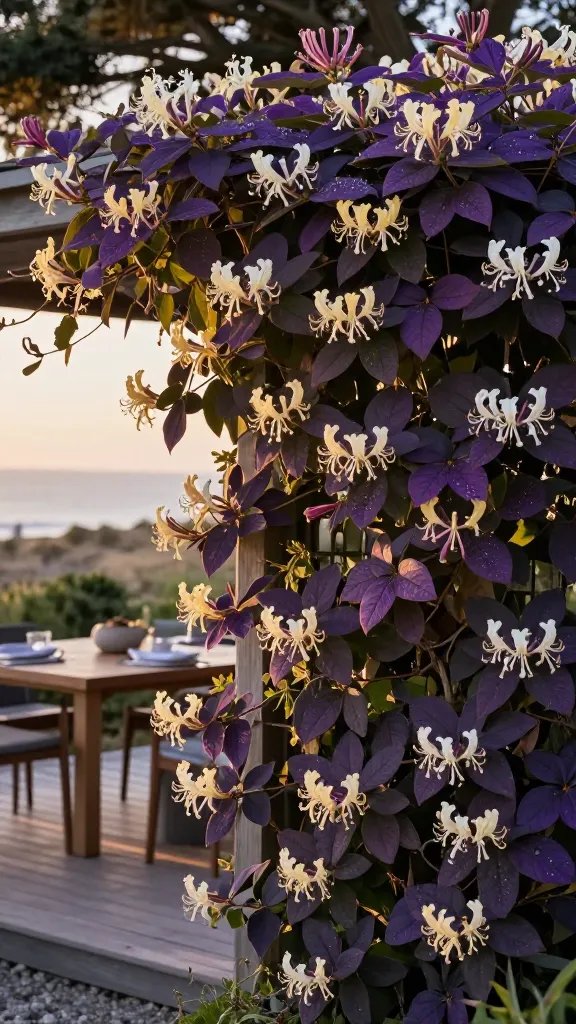
This one keeps purple-tinged foliage that adds moody contrast before the blooms even show up. The flowers open cream and fade to soft yellow, with a heady, sweet scent. It handles light shade like a champ.
Why It Rocks
- Long bloom season with strong fragrance.
- Foliage interest beyond flowers—rare for vines.
- Takes coastal conditions better than many.
Plant it when you need privacy plus perfume along a deck or dining nook.
3. The Pollinator Magnet (Lonicera periclymenum ‘Graham Thomas’)
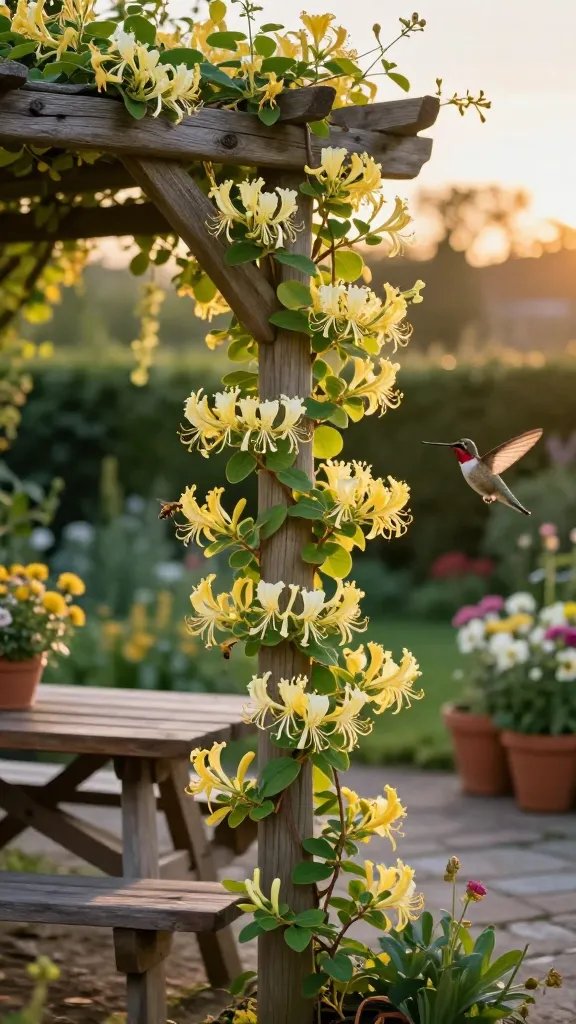
Old-fashioned and outrageously romantic, ‘Graham Thomas’ produces long, lemon-cream trumpets that drive bees and hummingbirds wild. The scent carries on warm evenings. It’s a tidy twiner compared to the rambunctious japonica crowd.
Key Points
- Best in full sun to part shade.
- Blooms spring into early summer with repeats.
- Less invasive; easier to control—seriously, a relief.
Choose it when you want cottage-garden charm around a picnic pergola.
4. The Pink Whisper (Lonicera periclymenum ‘Belgica’)
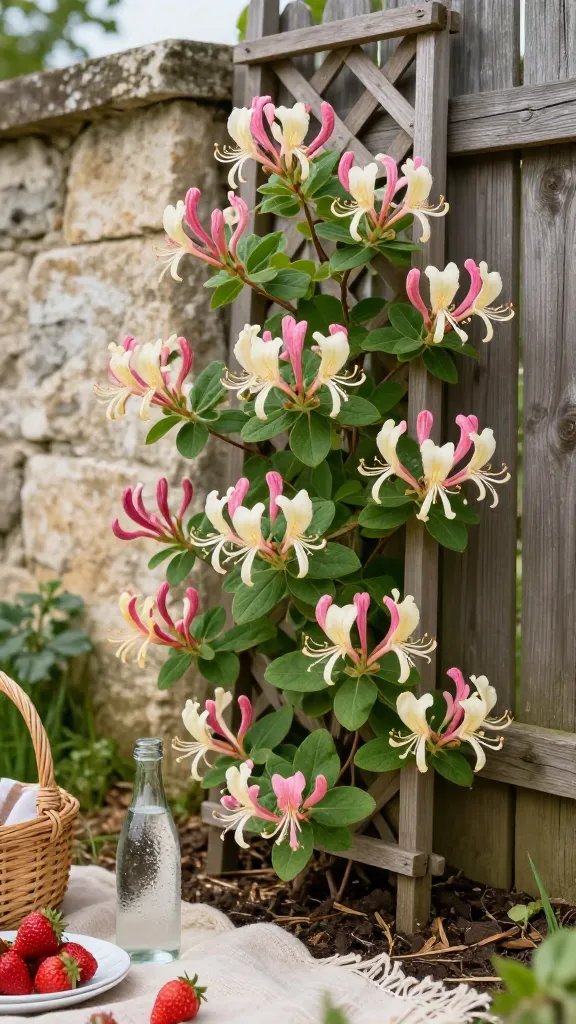
‘Belgica’ opens with rosy blush buds that fade to cream, creating that two-tone look you’ll brag about. The fragrance reads sweet with a hint of spice. It starts early, so your spring picnics kick off with style.
Quick Care
- Fertile, well-drained soil boosts blooms.
- Light prune after flowering to shape.
- Support with a lattice for clean lines.
Perfect for adding color variation next to pale stone or weathered wood.
5. Gold-and-Ruby Drama (Lonicera x heckrottii ‘Goldflame’)
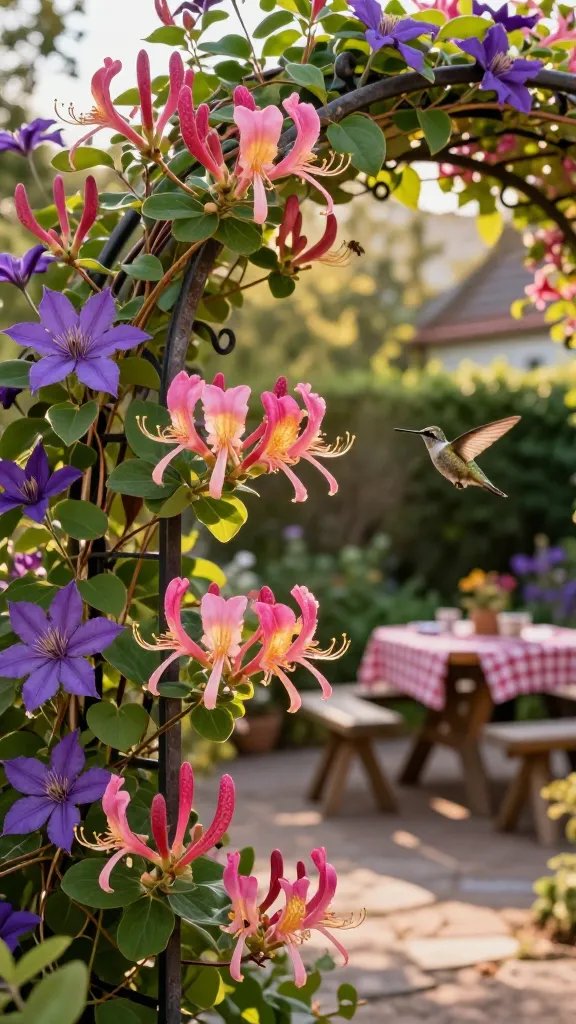
‘Goldflame’ is a show-off in the best way: deep rose buds that burst into gold-throated trumpets. Expect heavy spring bloom and repeat waves through summer. The scent leans tropical and lush.
Best Uses
- Archways leading to a picnic patio.
- Mixed with clematis for flower fireworks.
- Climbing a mailbox or lamppost for instant curb appeal.
Use it when you want high-impact color plus a sweet, picnic-perfect aroma.
6. White Linen Fresh (Lonicera periclymenum ‘Serotina’)
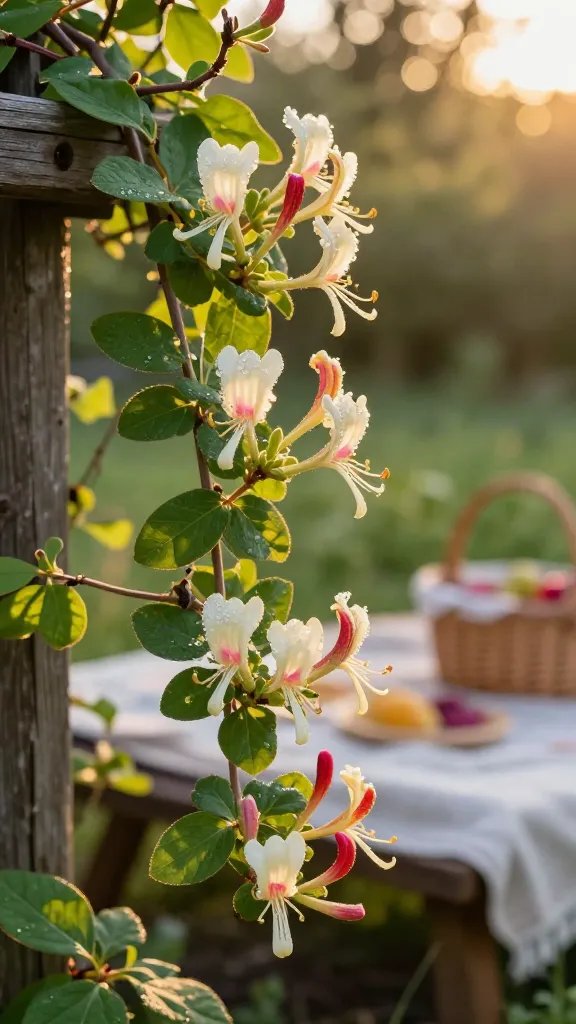
‘Serotina’ offers elegant, ivory blooms with crimson-backed buds that pop at golden hour. The fragrance is clean and sweet, like fresh linens in sunshine. It blooms from late spring into summer, so your picnics get a long runway.
Care Notes
- Likes sun but appreciates afternoon shade in hot zones.
- Keep roots cool with mulch; keep tops in light.
- Trim spent stems for rebloom encouragement.
Ideal if you love a refined, not-too-loud look that still turns heads.
7. Citrus Sorbet Vibes (Lonicera x americana)
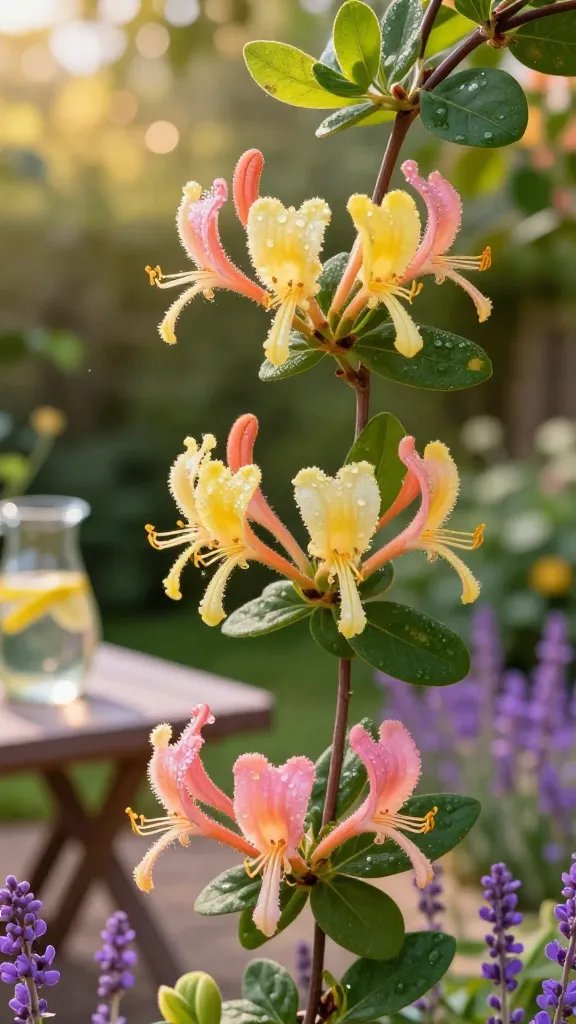
This hybrid dials up coral, pink, and soft yellow shades—basically dessert for your trellis. The scent reads honey-citrus and lingers over a table setting. It’s vigorous but cooperative with light pruning.
Good To Know
- Give it sun for color intensity.
- Pair with lavender for a scent duet.
- Watch for aphids; a quick blast of water works.
Great for brightening small spaces that need fragrance without fuss.
8. Classic Woodbine Romance (Lonicera periclymenum ‘Graham Thomas’ Seedlings)
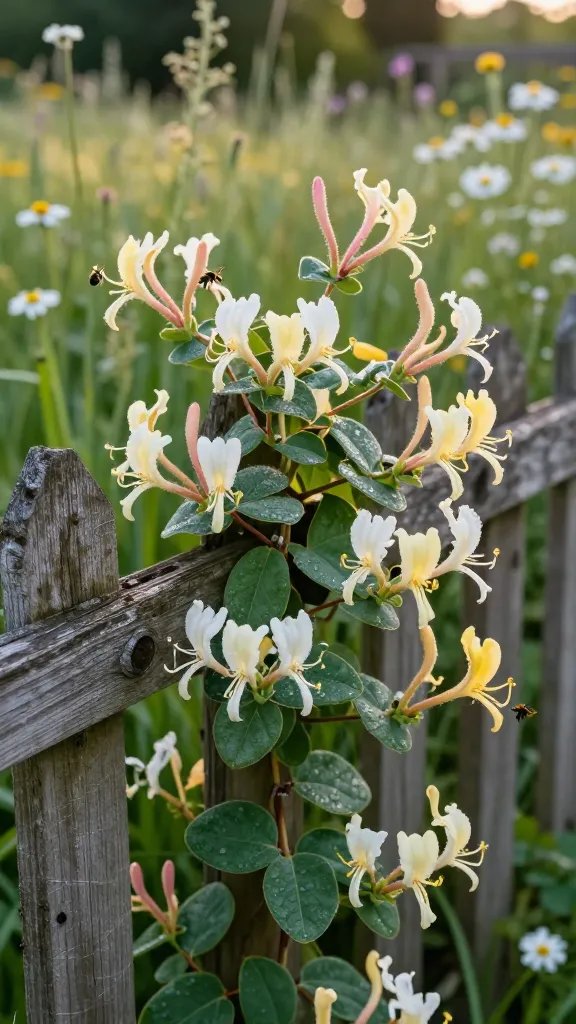
Seedling strains of classic woodbine carry that nostalgic hedgerow energy. Expect cream-to-yellow tubes and a wildflower-meadow vibe. They’re tough, forgiving, and deliciously scented.
Where It Shines
- Naturalistic borders and cottage-style fences.
- Cooler climates with late spring warmth.
- Low-maintenance gardeners who still want glam.
Use it when you want effortless scent and an unstudied, storybook look.
9. Heat-Loving Showstopper (Lonicera ‘Mandarin’)
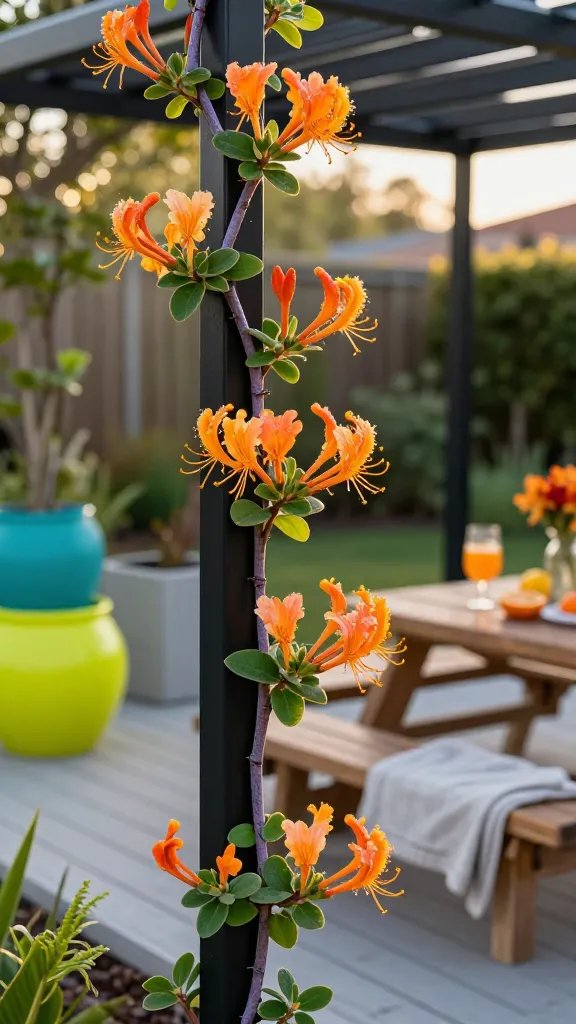
Looking for bold color in warmer zones? ‘Mandarin’ flashes tangerine-to-orange tubes with smoky purple stems. The fragrance is lighter but still sweet, and the color alone sells it.
Tips
- Full sun boosts saturation.
- Regular water first year; then dial back.
- Give it room—this one likes to party.
Pick it to spice up modern decks and vivid container combos near your picnic spot.
10. Hummingbird Express (Lonicera sempervirens ‘Major Wheeler’)
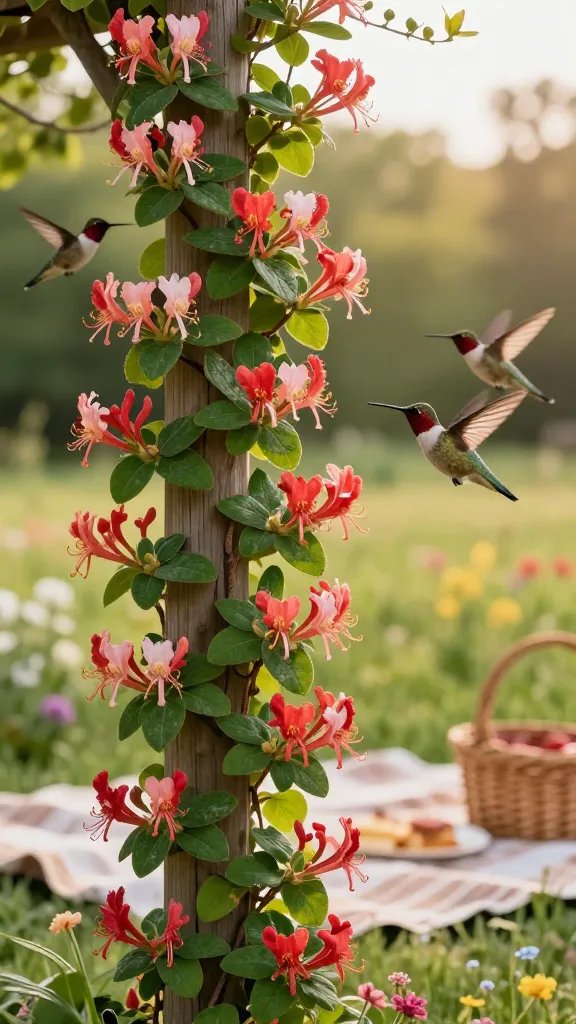
Native and beloved, ‘Major Wheeler’ blasts coral-red trumpets with gold throats. Hummingbirds arrive like VIP guests the second it opens. The scent is gentle, but the wildlife show steals the scene.
Why Gardeners Love It
- Non-invasive and super floriferous.
- Great mildew resistance.
- Blooms spring through summer with gusto.
Use it for eco-friendly, pollinator-forward picnics where the soundtrack includes wingbeats.
11. Coral Charm Classic (Lonicera sempervirens ‘Blanche Sandman’)
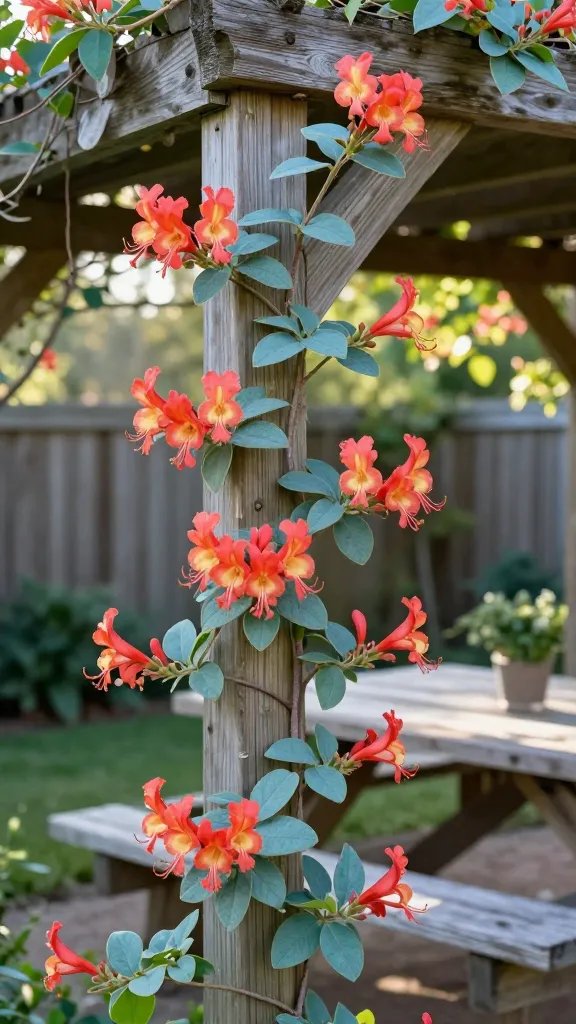
Another North American favorite, ‘Blanche Sandman’ serves rich coral blooms with a honeyed center. It thrives on arbors and fences and behaves like a model citizen. Less fragrance than japonica types, but still pleasantly sweet.
Care Snapshot
- Sun to light shade; more sun equals more flowers.
- Trim lightly after bloom to shape.
- Good airflow helps in humid regions.
Plant it when you want reliable spring color plus native-plant cred.
12. The Gold-Tipped Glow-Up (Lonicera periclymenum ‘Scentsation’)
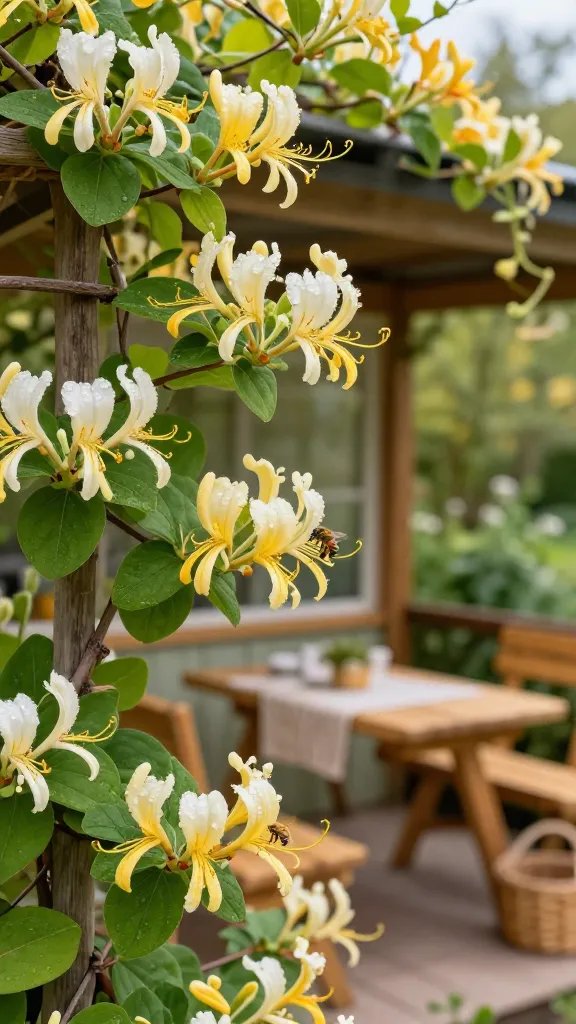
The name does not lie. ‘Scentsation’ smells incredible and treats you to yellow-tipped, cream blooms that keep coming. It’s compact enough for smaller gardens, IMO a big win.
Key Points
- Heavy perfume—perfect near seating.
- Repeat blooms into summer with deadheading.
- Attracts bees without being messy.
Use it to anchor a petite picnic nook with max aroma, minimal footprint.
13. The Moonlight Mixer (Lonicera japonica ‘Aureoreticulata’)
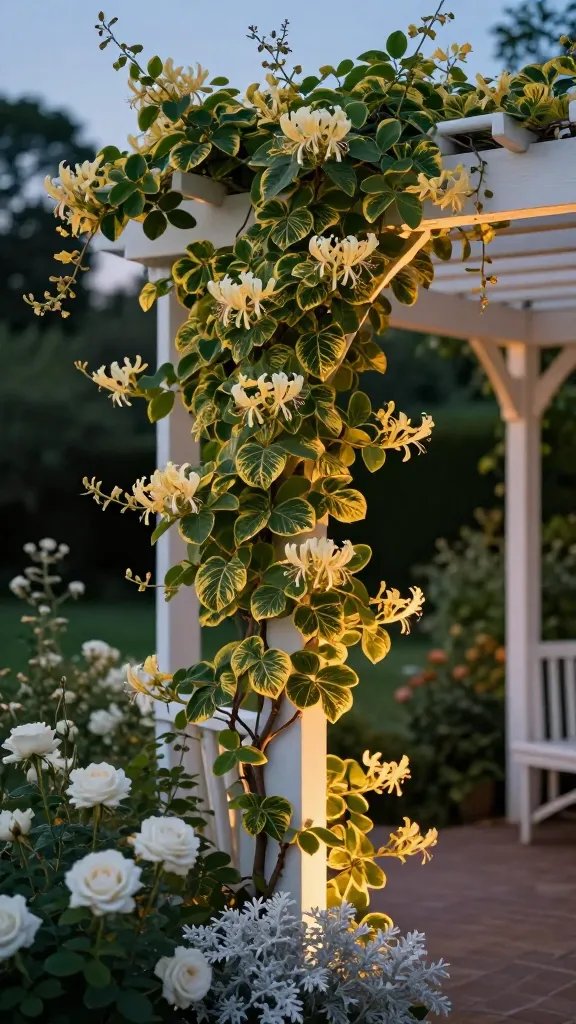
This variegated beauty brings gold-veined foliage that glows in twilight. The blooms are creamy and sweet, but the leaves do half the talking. It looks luxe draped over a white pergola.
Design Play
- Pair with white roses or silver artemisia.
- Use uplighting for nighttime picnics.
- Prune to highlight the variegation.
Choose it when foliage drama plus fragrance feels like the move.
14. Blush-And-Breeze Favorite (Lonicera periclymenum ‘Pink Lemonade’)
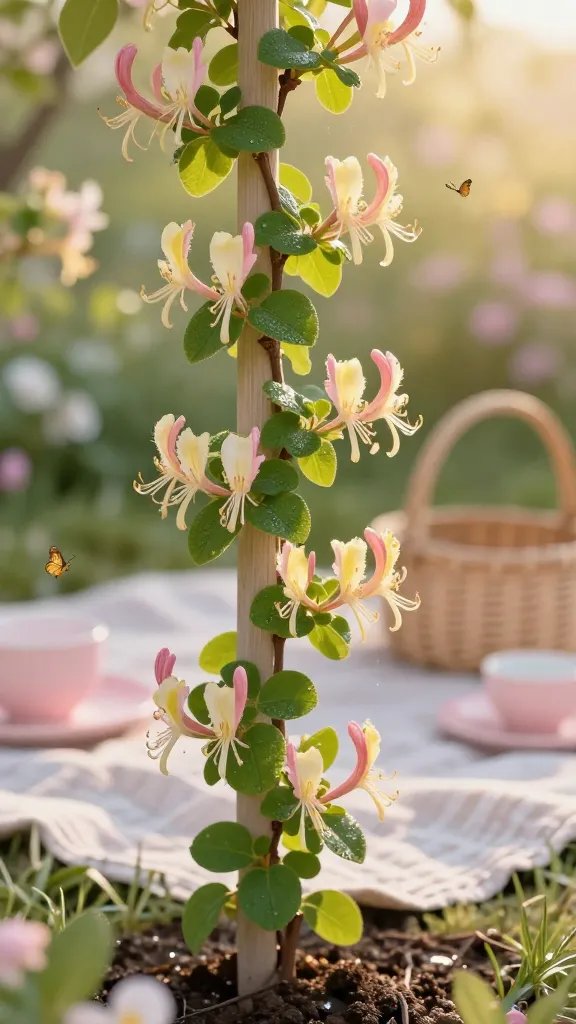
Pink buds open to lemon-vanilla blooms—yes, it smells as good as it sounds. It’s lighter and airier than the deep coral types, so it suits softer palettes. Butterflies approve, FYI.
Growing Notes
- Sun with afternoon shade in heat.
- Consistent moisture in spring for big flushes.
- Feed with a balanced organic fertilizer early spring.
Use it when your picnic aesthetic leans pastel and dreamy.
15. The Four-Season Friend (Lonicera henryi)
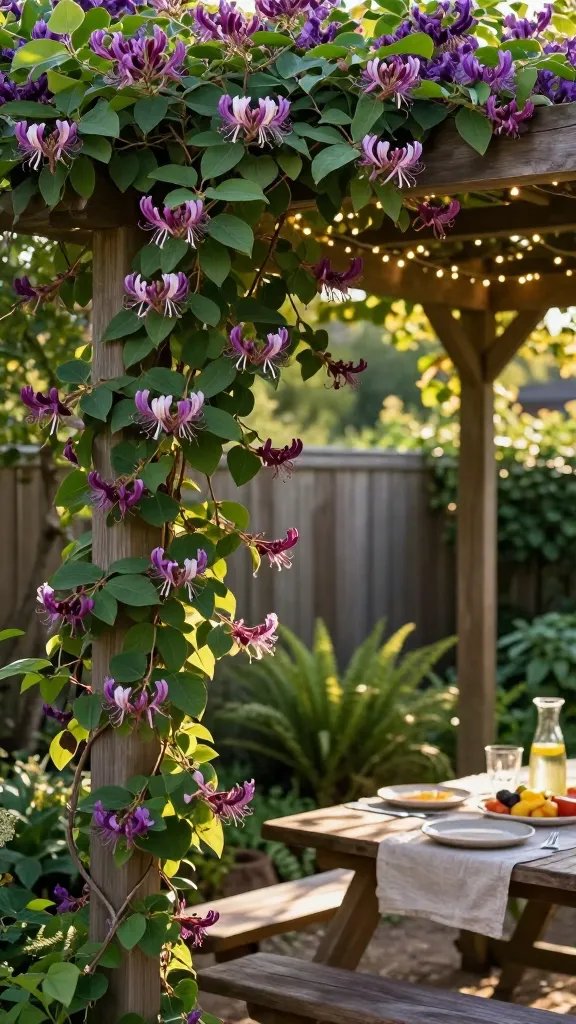
Evergreen in mild climates, ‘Henryi’ covers structures with glossy leaves and dusky, tubular blooms. The scent is gentle, but the year-round backdrop is clutch. It handles shade better than most, which saves tricky spots.
Why It Works
- Reliable screening on north-facing fences.
- Strong framework for fairy lights above a table.
- Less pruning drama than rampant types.
Plant it when you crave structure plus a subtle spring bloom to frame your picnics in every season.
Honeysuckle Picnic Playbook
- Sun and Soil: Most honeysuckles love full sun and well-drained soil. Part shade works, but flowers may dial back.
- Support: Use trellises, arches, or wire grids. Start training early with soft ties.
- Water: Keep steady moisture in spring; ease up once established.
- Pruning: Trim lightly after bloom to shape and encourage rebloom. Remove deadwood in late winter.
- Boundaries: Invasive-prone japonica types need regular checks and root barriers where necessary.
- Companions: Pair with lavender, salvia, clematis, and ornamental grasses for scent and texture layering.
Ready to turn your backyard into the sweetest picnic spot in town? Pick a vine, toss down a blanket, and let that spring breeze do the rest. Your only problem now? Deciding which honeysuckle gets the good trellis—trust me, they’ll all fight for it.