
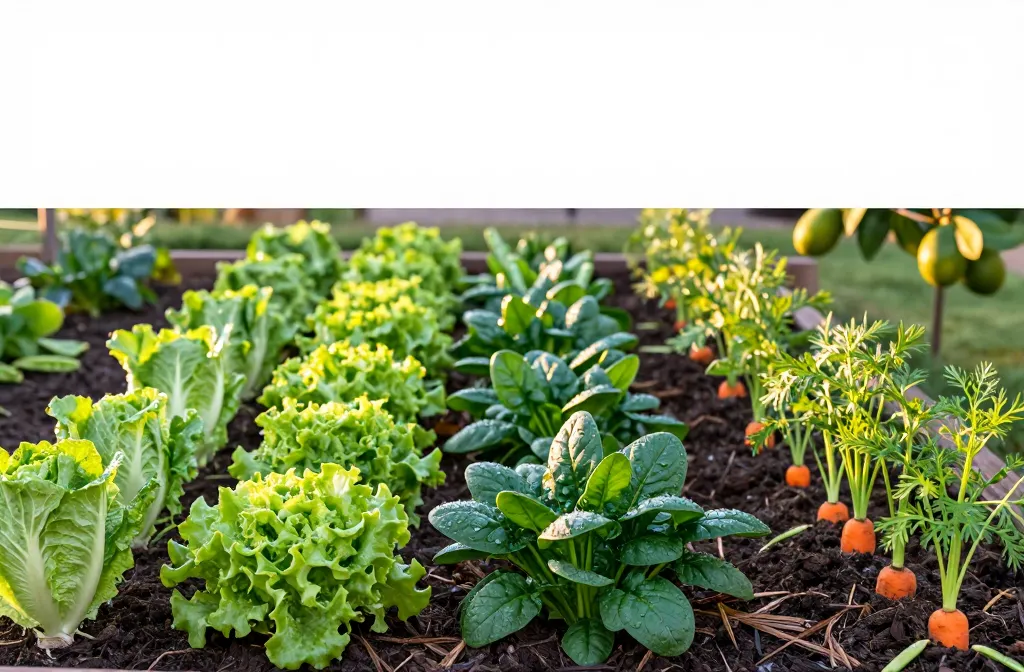
Winter isn’t shutting down your garden—February is prime time to get delicious cool-season crops going in Zones 9–11. While the rest of the country thaws out, you get to harvest crisp greens, sweet peas, and roots with real flavor. Ready to stack salads, sauté pans, and snack bowls with homegrown goodness? Let’s plant smart now so you can brag later.
1. Lettuce That Loves The Chill
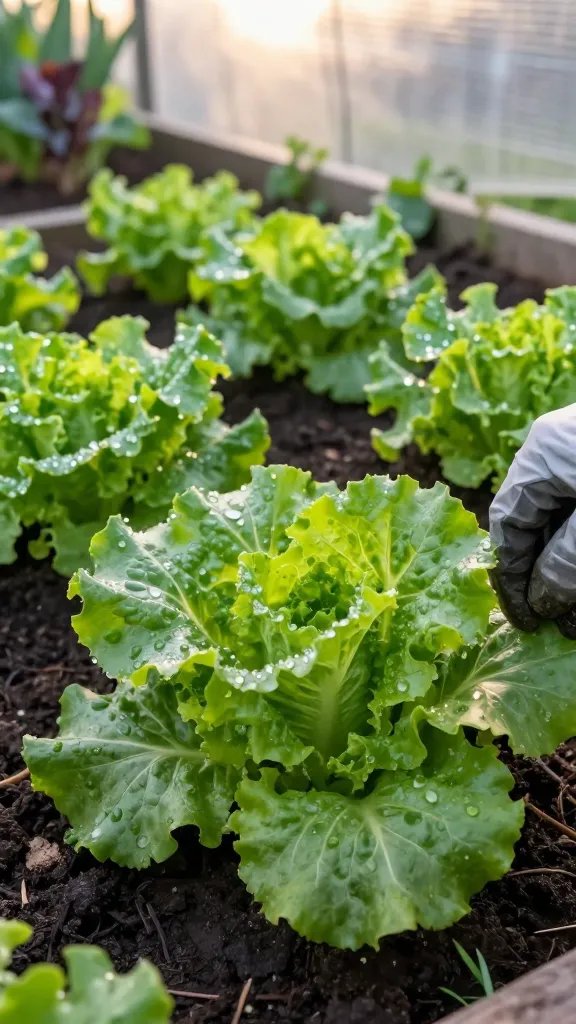
Lettuce practically begs to be planted in February, especially in mild climates. You’ll get faster growth, crunchier leaves, and fewer pests than in spring’s heat. Go for looseleaf and romaine for steady harvesting.
Tips
- Direct sow or transplant starts 8–10 inches apart.
- Keep soil evenly moist—dry spells make leaves bitter.
- Provide afternoon shade in Zone 11 if temps spike.
For endless salads, harvest outer leaves and keep the plant going. Fresh, crisp, and super fast—what’s not to love?
2. Spinach For Power Greens, Fast
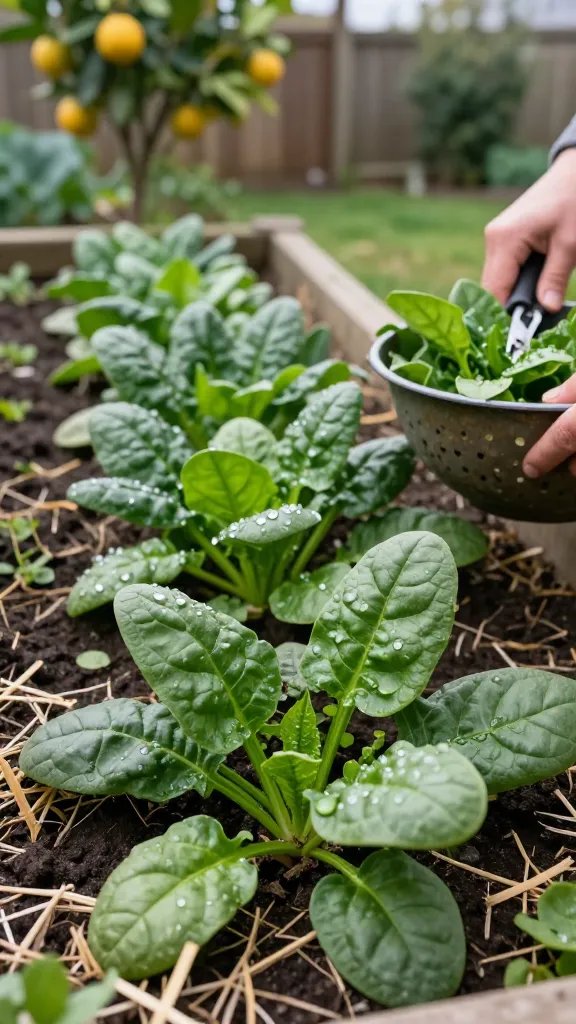
Spinach thrives in cool weather and bolts when it’s hot, so February timing is perfect. You’ll get tender leaves ideal for salads and sautés. Pick baby leaves or let them size up—either way, flavor stays sweet.
Key Points
- Sow thickly, then thin to 4–6 inches.
- Choose bolt-resistant types like ‘Bloomsdale’ or ‘Space’.
- Mulch lightly to keep roots cool and moist.
Use it fresh or wilt it with garlic and lemon. It’s a nutrient bomb you can harvest within weeks.
3. Arugula With That Peppery Kick
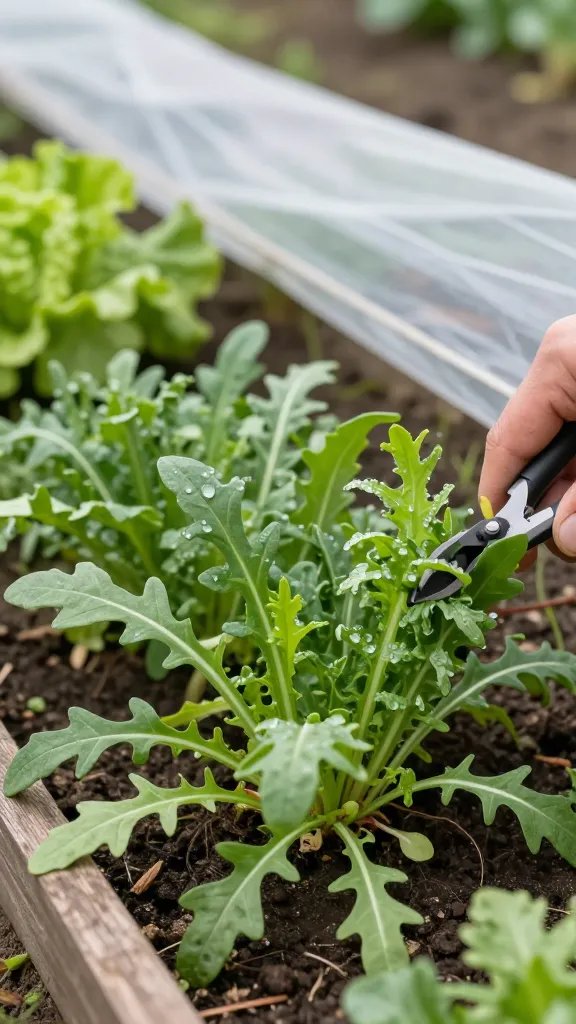
Want instant gourmet vibes? Plant arugula. It grows like a weed in cool temps and gives you that restaurant-level bite in salads, pizzas, and pastas.
Pro Moves
- Sow every 2–3 weeks for a continuous crop.
- Harvest small for mild flavor; larger leaves bring heat.
- Row cover helps if flea beetles show up.
Perfect for quick cut-and-come-again harvests. FYI, it makes average sandwiches taste elite.
4. Kale That Won’t Quit
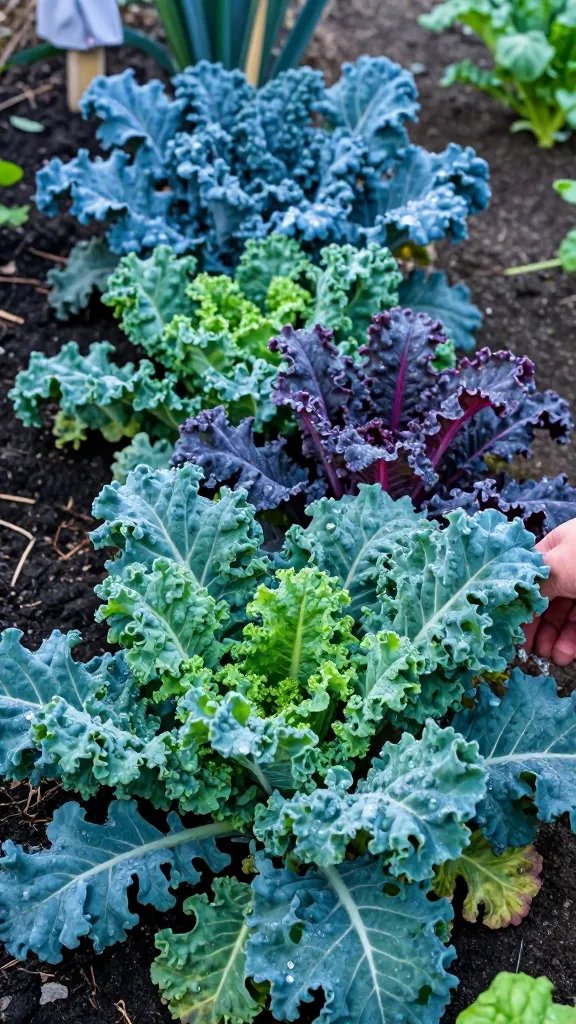
Kale laughs at chilly nights and keeps producing for months. February plantings kick into gear fast and give you tender leaves before summer heat arrives.
Pick Your Style
- Lacinato (Dinosaur): Deep blue-green, ideal for sautés.
- Curly: Great for salads and chips.
- Red Russian: Pretty and fast-growing.
Harvest leaves from the bottom up and you’ll have a living salad bar till late spring. Seriously, it’s the plant that keeps on giving.
5. Swiss Chard For Color And Clout
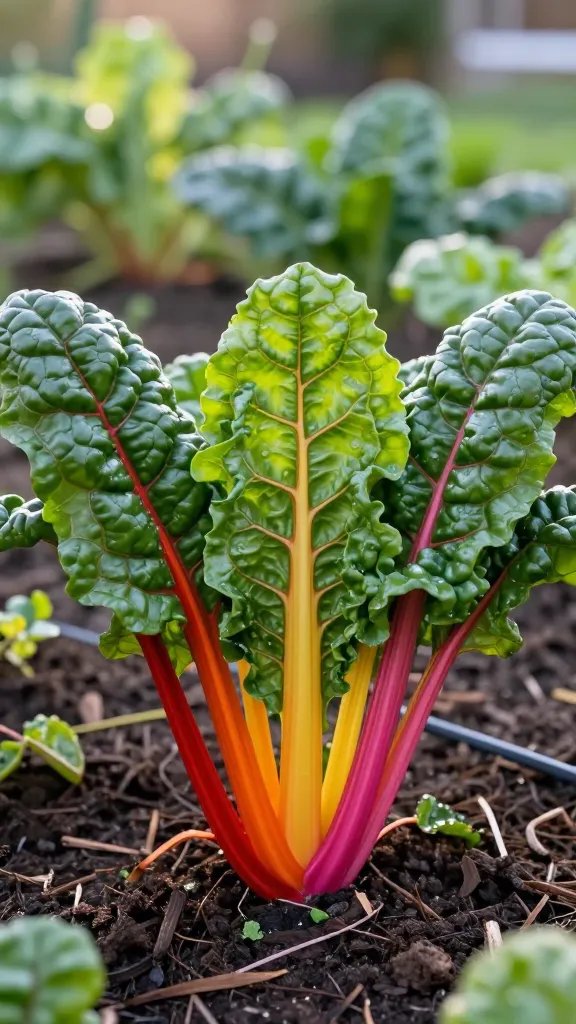
Chard brings rainbow stems and a spinach-adjacent flavor with way more heat tolerance. It bridges your cool season into warmer months, so it’s a smart February pick.
Care Basics
- Space 12–18 inches—these get big.
- Feed with a balanced organic fertilizer for lush leaves.
- Pick outer stalks often to encourage more growth.
Use it in soups, sautés, and grain bowls. It’s a beauty and a workhorse in one plant.
6. Peas You’ll Snack On In The Garden
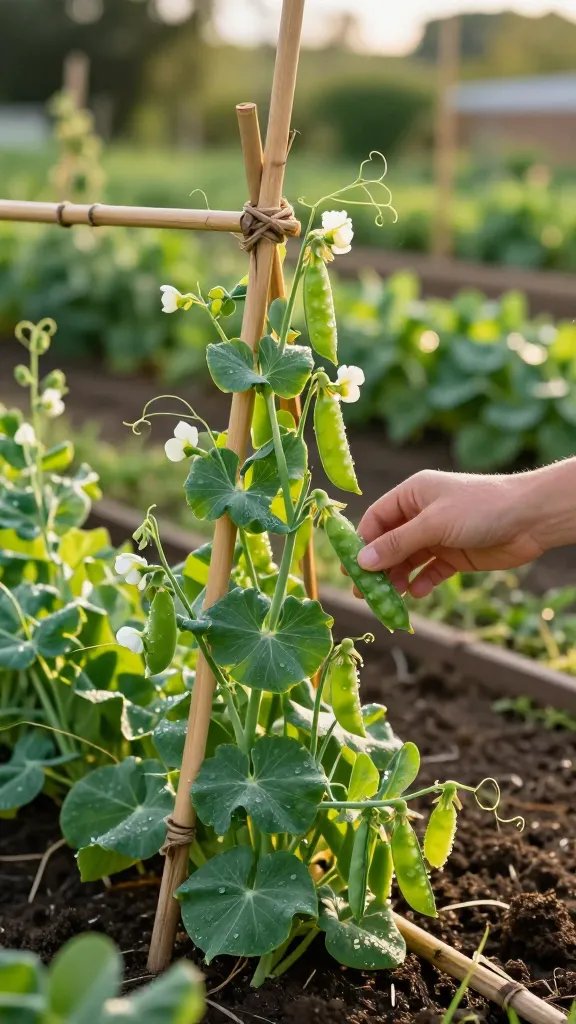
Garden peas and sugar snaps adore cool weather and taste unreal when fresh. Plant now and trellis them—your future self will thank you when you’re eating sweet pods off the vine.
What To Plant
- Snap Peas: Eat pod and all—sweet and crunchy.
- Snow Peas: Flat pods—stir-fry heroes.
- Shelling Peas: Worth it for that classic pea flavor.
Keep soil moist and give them sun. They fix nitrogen too, so your soil wins.
7. Carrots For Candy-Sweet Roots
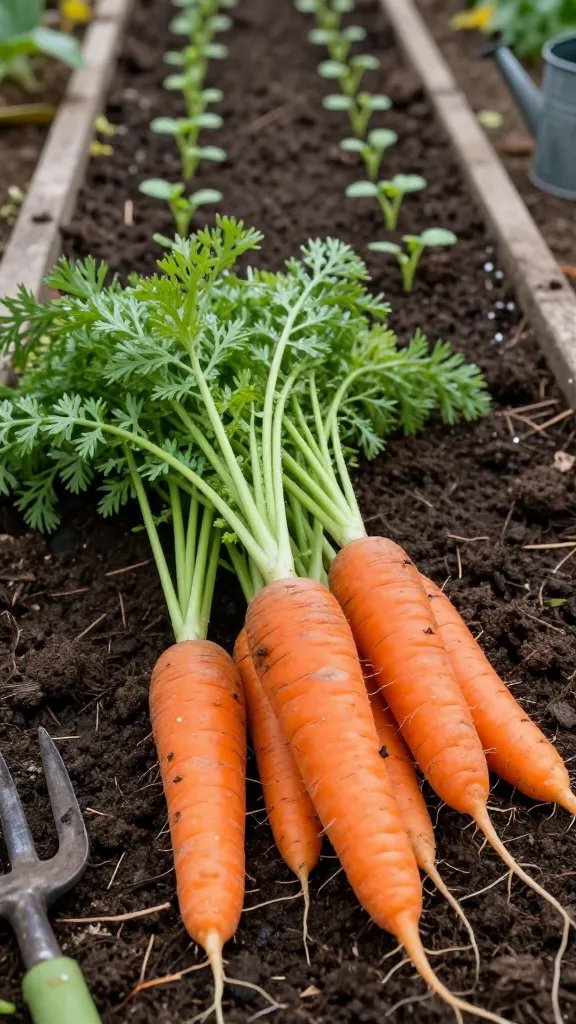
Cool soil makes carrots sweeter—February is clutch for crisp, sugary roots. Go for shorter varieties if your soil is heavy or a bit compacted.
Sowing Strategy
- Direct sow shallowly; keep the top inch moist until germination.
- Thin to 2 inches once they sprout (I know, it hurts—just do it).
- Choose ‘Nantes’, ‘Paris Market’, or ‘Bolero’ for reliable results.
You’ll pull up bright, snappy roots perfect for roasting or snacking. Garden candy, IMO.
8. Radishes That Race To The Finish
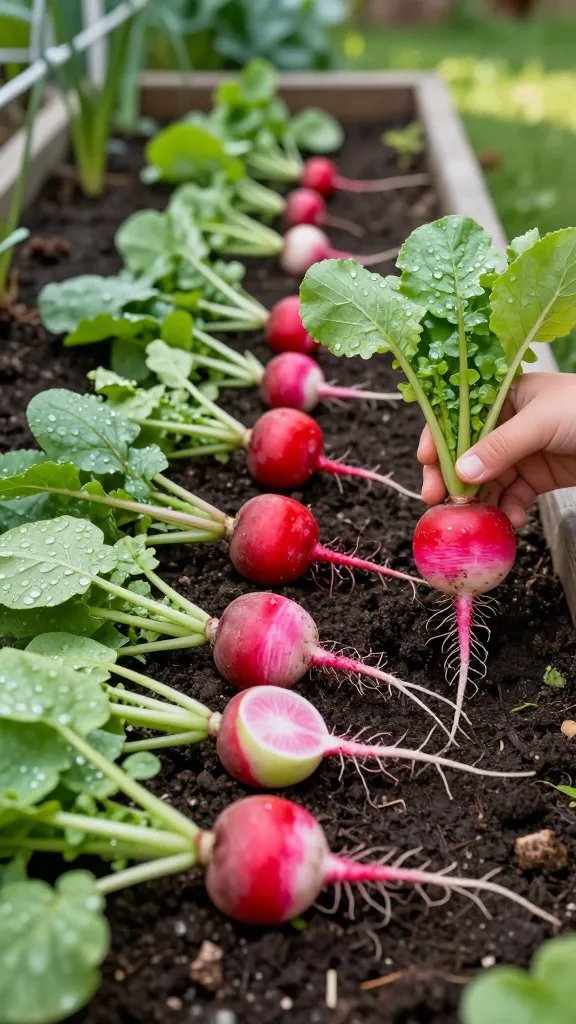
Want a confidence booster? Plant radishes. They mature in 25–35 days, love the cool, and make salads sing.
Quick Wins
- Sow every 2 weeks for steady harvests.
- Thin to 2 inches so bulbs can size up.
- Try ‘French Breakfast’, ‘Cherry Belle’, or ‘Watermelon’ for variety.
Great for impatient gardeners and kids. Plus, the greens are edible—bonus points.
9. Beets For Roots And Gorgeous Greens
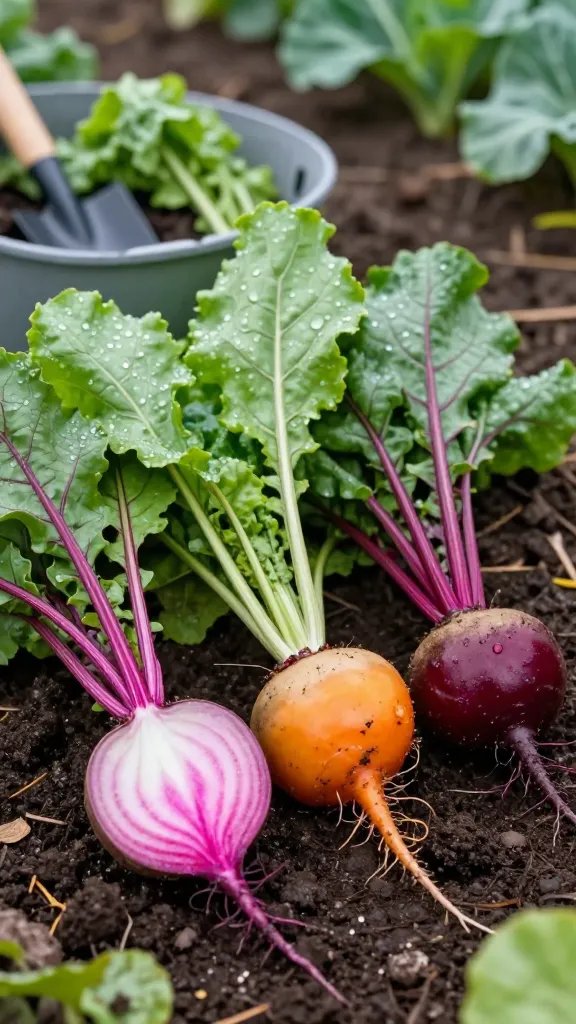
Beets give you double the harvest—sweet roots and vitamin-packed greens. Cooler temps help roots swell without getting woody.
How To Nail It
- Soak seeds overnight; they’re clusters and germinate better this way.
- Thin to 3–4 inches for full-sized roots.
- Try ‘Chioggia’, ‘Golden’, or ‘Detroit Dark Red’.
Roast the roots, sauté the tops—zero waste, all flavor. Great for salads and sides.
10. Broccoli For Big, Bold Heads
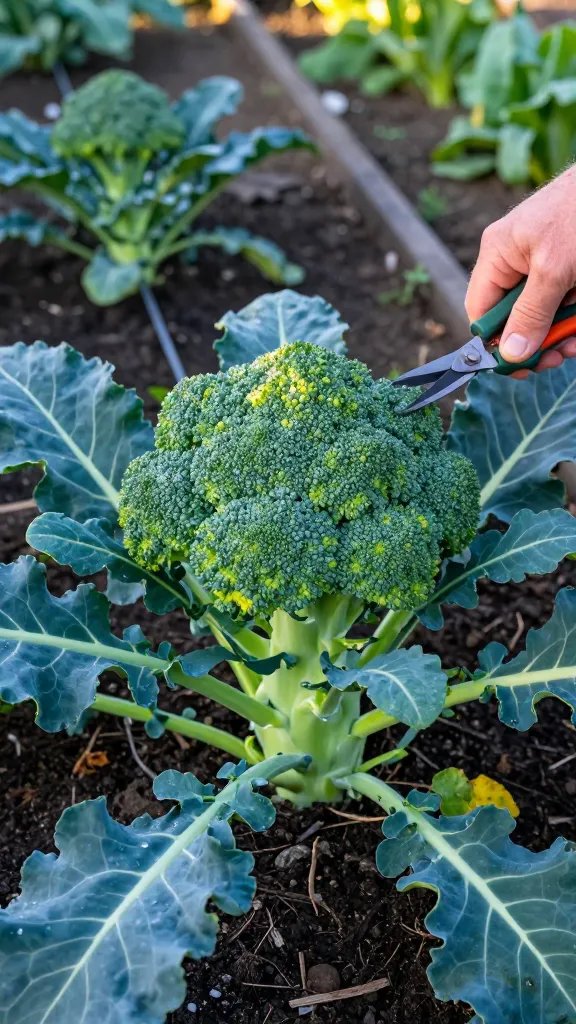
Broccoli thrives in cool weather and hates heat, so get it in now. Transplants work best in February for quicker heads before spring warms up.
Success Checklist
- Plant 18 inches apart in rich, well-drained soil.
- Feed at planting and again mid-season for big heads.
- Harvest the main head early; side shoots keep coming.
Steam, roast, or toss into pasta. You’ll taste the difference when it’s fresh from your garden.
11. Cauliflower For Creamy, Tender Florets
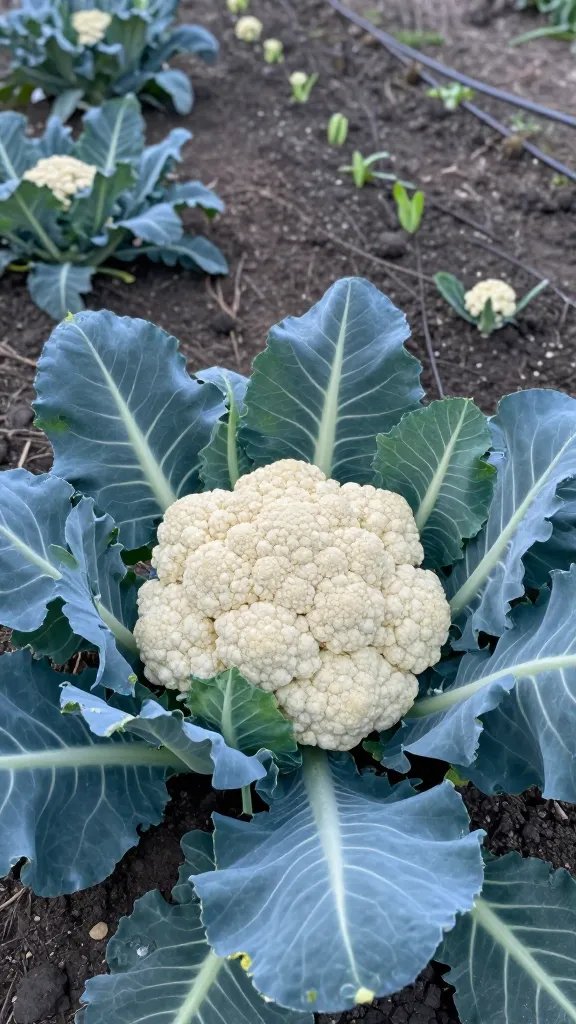
Cauliflower loves steady cool—but it sulks in heat. February gives it time to form tight, beautiful heads before temperatures climb.
Grower Tips
- Transplant starts 18–24 inches apart.
- Keep moisture consistent to avoid uneven heads.
- Blanch white varieties by tying leaves over the curd when it forms.
Roast with olive oil and salt and try not to eat the whole tray. It’s that good.
12. Cabbage That Wraps Up The Season
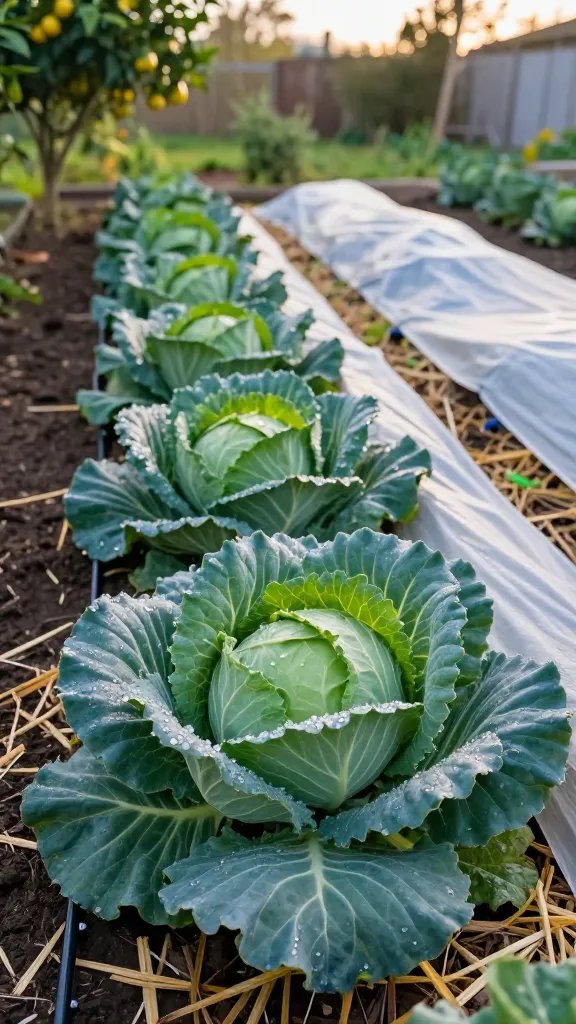
Cabbage digs cool temps and rewards you with dense, crunchy heads perfect for slaws and stir-fries. February-planted transplants finish before summer stress hits.
What Works
- Space 18–24 inches depending on variety size.
- Mulch and water deeply to keep growth steady.
- Cover if cabbage worms show up—BT or row cover is your friend.
Pick when heads feel firm. Store well and keeps your taco game strong for weeks.
13. Cilantro That Won’t Bolt Overnight
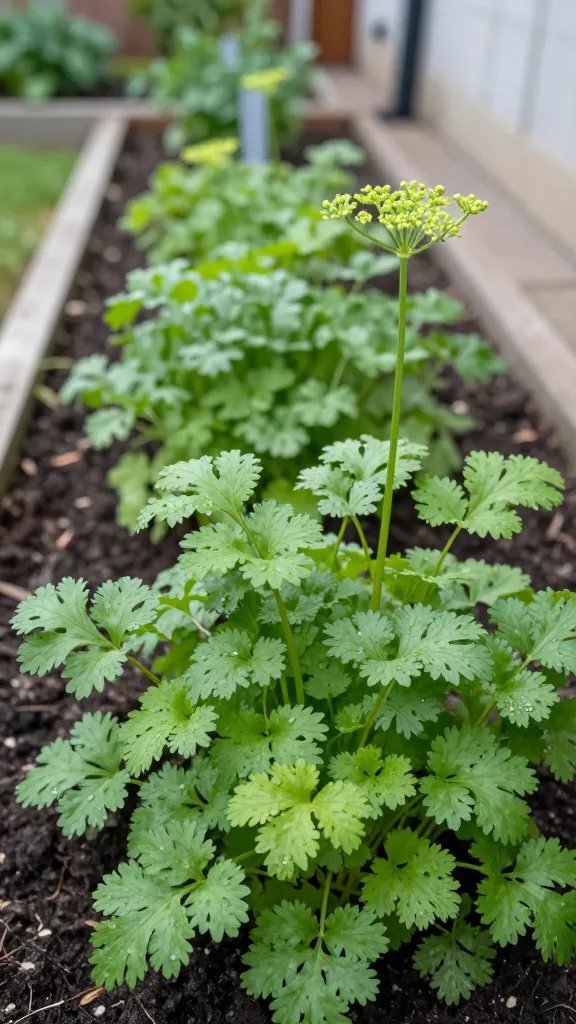
Cilantro bolts fast in heat, so zone 9–11 gardeners should plant it now. Cool weather stretches your harvest window and keeps that fresh, citrusy flavor going.
Best Practices
- Sow every 2–3 weeks for a steady supply.
- Choose slow-bolt varieties like ‘Calypso’ or ‘Santo’.
- Harvest leaves often; let a few plants flower for pollinators and coriander seeds.
Perfect for tacos, pho, and guac emergencies. Plant plenty—you’ll use it constantly.
14. Parsley That Packs A Punch
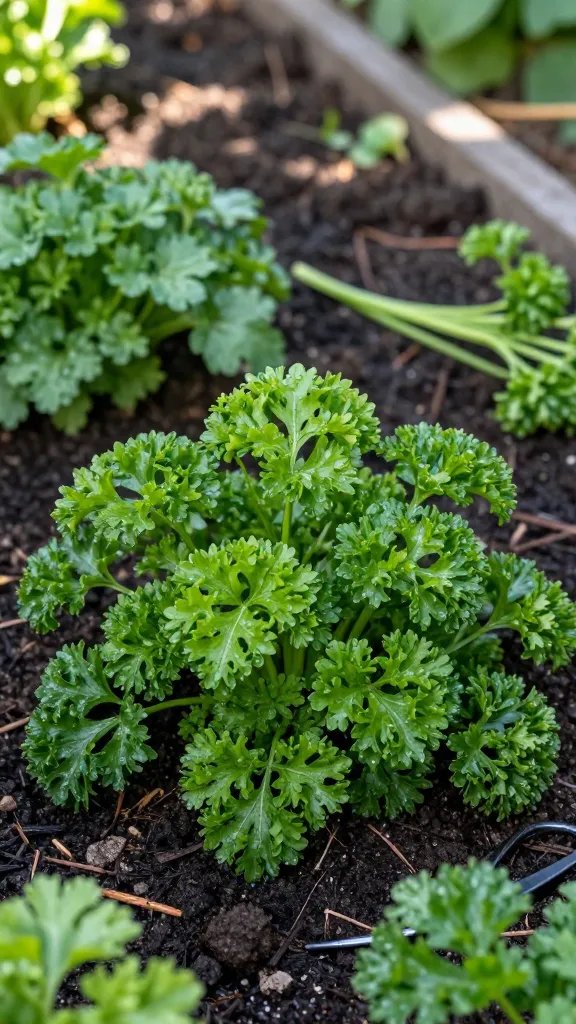
Flat-leaf or curly, parsley loves the cool and grows lush in February. It’s more than garnish—it’s a flavor lifter for almost everything.
Grow It Right
- Start from transplants or soak seeds to speed germination.
- Give it sun to part shade and consistent moisture.
- Harvest outer stems to keep it pumping out new growth.
Use it in chimichurri, tabbouleh, and soups. It’s a garden MVP with serious staying power.
15. Green Onions For Instant Flavor
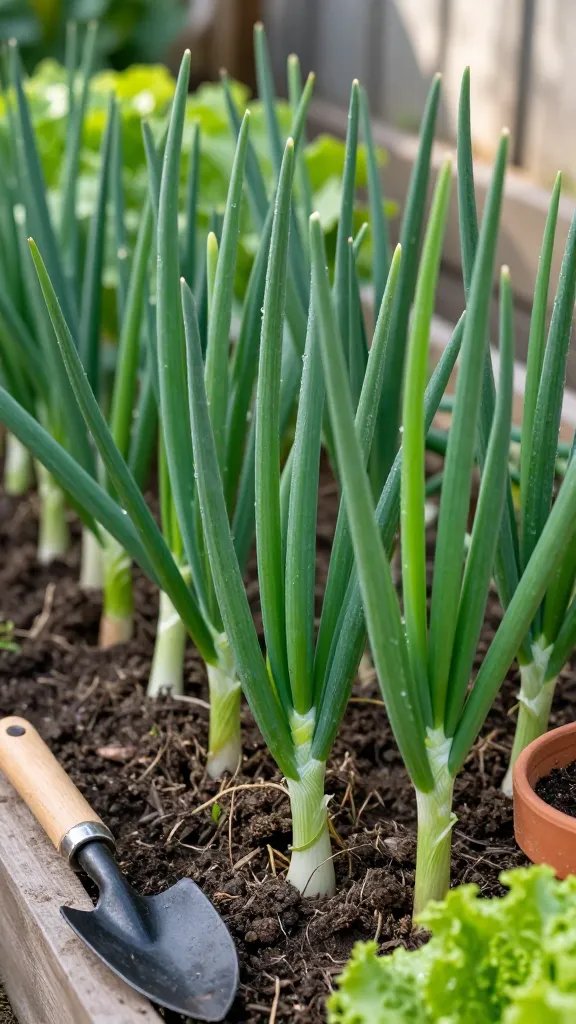
Scallions/green onions are effortless and super versatile. Plant now and snip as needed for eggs, soups, noodles—basically everything.
Quick Guide
- Direct sow thickly or plant bunching onion starts.
- Cut and come again: harvest outer stalks and let centers regrow.
- Partial shade is fine in hotter microclimates.
They fit anywhere—edges, containers, tucked between crops. Low effort, high payoff, trust me.
Zone 9–11 February Planting Cheatsheet
- Soil: Aim for loose, well-drained beds with compost mixed in.
- Water: Keep consistent, especially for greens and heading brassicas.
- Pests: Use row cover early; hand-pick caterpillars; encourage ladybugs.
- Sun: Full sun is best, but light afternoon shade helps in Zone 11 warm spells.
- Succession: Re-sow quick crops (radish, arugula, lettuce) every 2–3 weeks.
Ready to turn February into your secret growing season? Plant a few of these cool-weather champs now and you’ll be harvesting like a pro before spring even lands. Grab seeds, snag a trowel, and make your garden the tastiest place on the block—seriously, your future self will be grinning.