
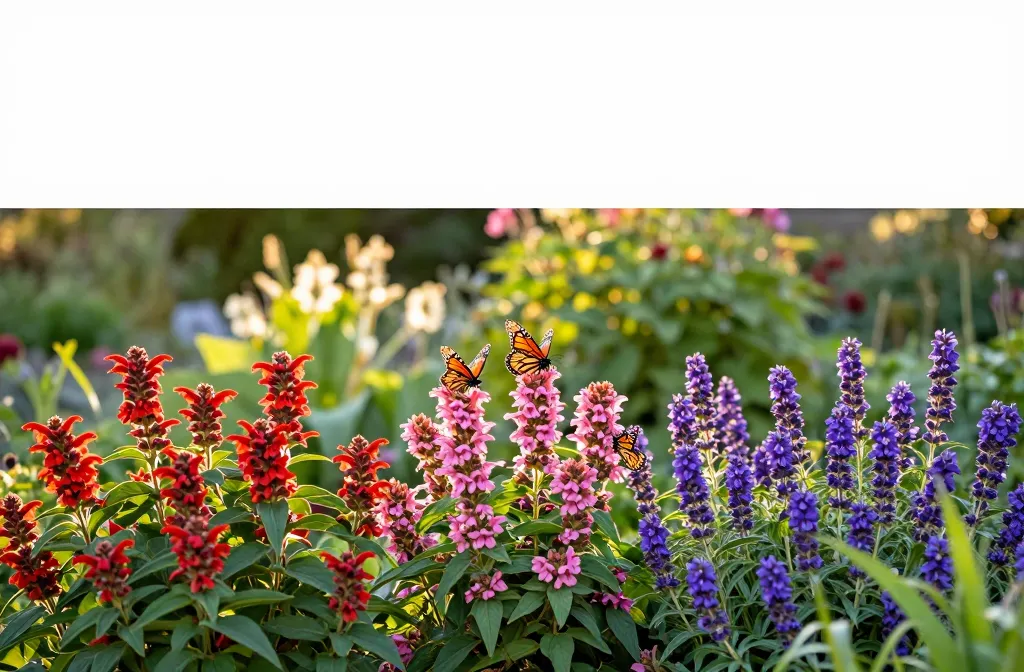
Want butterflies to crash your late-spring garden party? Plant bee balm and roll out the tiny red carpet. These blooming beauties serve nectar like an all-you-can-eat buffet, and the guests show up winged and fabulous. Ready to turn your yard into the hottest lepidopteran lounge in town? Let’s plan the perfect “butterfly picnic” with 12 bee balm picks and pro tips.
1. Color Riot: Choose Cultivars That Pop
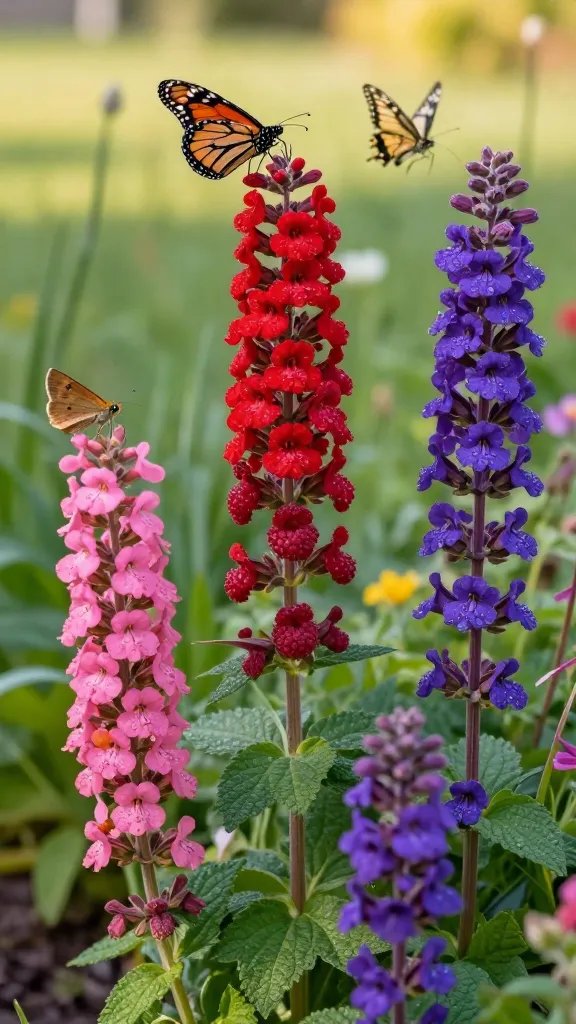
Butterflies scout for bold colors, and bee balm’s palette screams “open bar.” Vibrant reds, hot pinks, magentas, and purples pull swallowtails and monarchs like magnets. Pick varieties that keep the color show going through late spring into summer.
Top Shades To Try
- ‘Jacob Cline’ (fire-engine red) for hummingbirds and swallowtails
- ‘Raspberry Wine’ (deep raspberry) for monarchs and skippers
- ‘Marshall’s Delight’ (rosy pink) for mixed butterfly traffic
- ‘Blue Stocking’/‘Blaustrumpf’ (purple) for contrast
Go bold where you want the party. Cluster colors to make nectar easier to find and keep butterflies hanging around longer.
2. Late-Spring Timing: Nail The Bloom Window
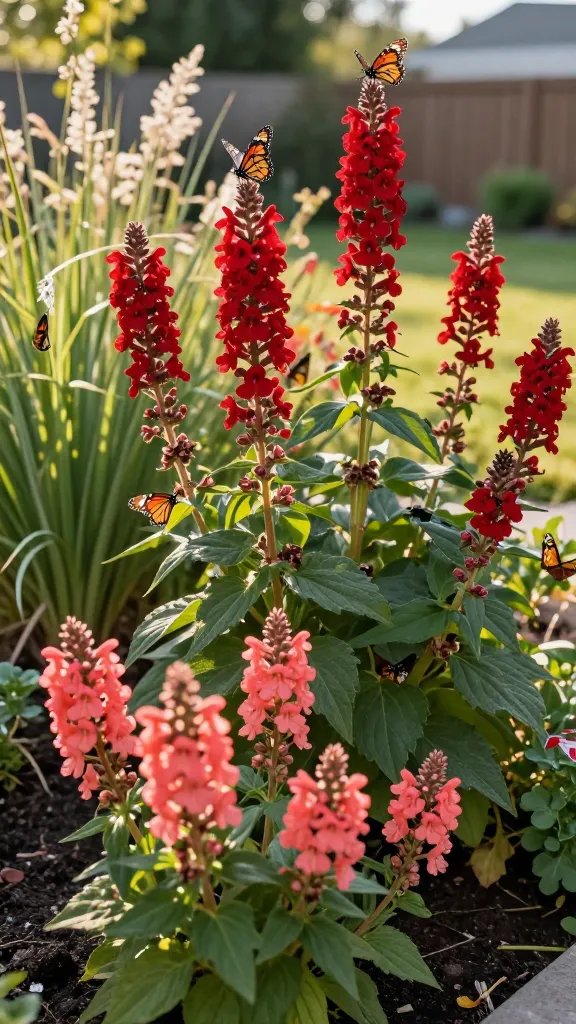
Bee balm usually hits peak from late spring into midsummer, but timing shifts by zone. Want a steady crowd? Stagger bloom times with early and later cultivars so your butterfly buffet never closes.
Timing Tips
- Zones 5–7: Plant early bloomers like ‘Coral Reef’ with mid-season stars like ‘Jacob Cline’
- Zones 8–9: Choose heat-tolerant, mildew-resistant types to extend bloom
- Deadhead spent flowers to trigger encore blooms
Dial in timing and you’ll feed migrating monarchs and resident swallowtails when they need it most. That’s good pollinator karma.
3. Fragrance & Flavor: Why Nectar Quality Matters
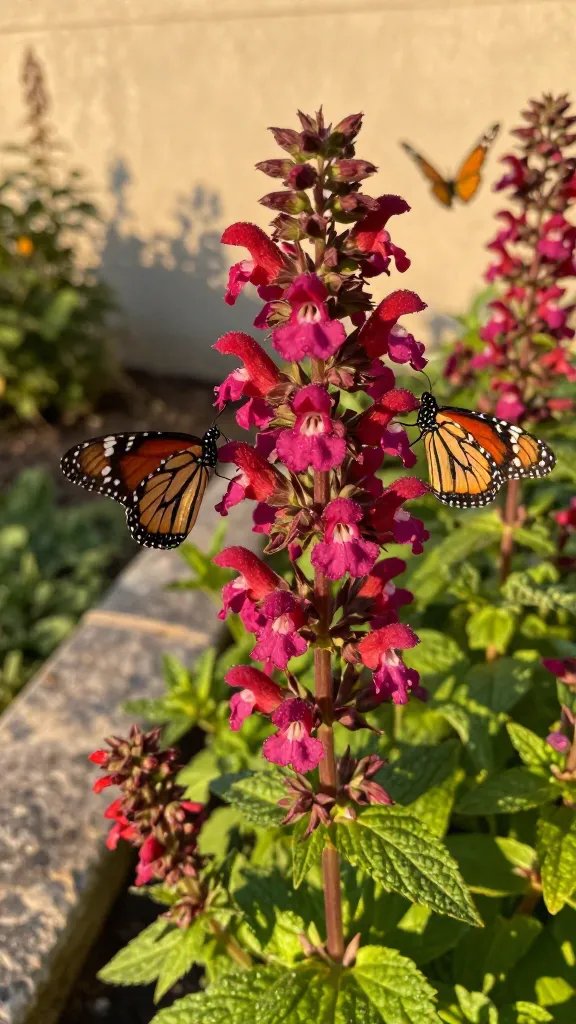
Bee balm isn’t just pretty; it smells like a minty-spicy herbal cocktail. That scent clues in butterflies and other pollinators, and the tubular flowers hold nectar that’s easy to sip for long-tongued guests.
What Butterflies Love
- Tubular blooms that fit proboscises
- High-nectar cultivars like ‘Raspberry Wine’ and ‘Jacob Cline’
- Sunny sites for warmer nectar (butterflies prefer warm drinks, apparently)
Plant near a warm wall or stone edging to raise the microclimate a couple degrees and keep the sips flowing.
4. Design The Picnic: Mass In Clumps, Not Sprinkles
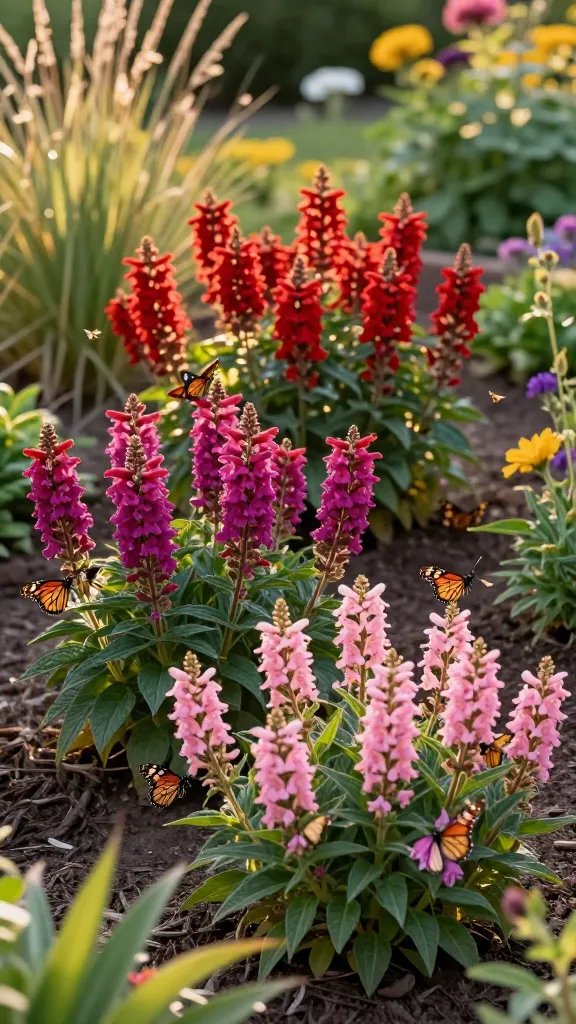
One lonely stem won’t cut it. Butterflies spot color blocks from a distance and conserve energy by feeding in clusters. Group 5–7 plants per patch for the best traffic.
Layout Ideas
- Drifts of one color for a bold, “VIP lounge” effect
- Trios of complementary colors for that curated, “I woke up like this” look
- Stagger heights (tall in back, mids in middle, dwarf in front) for layers
Clumping boosts nectar density and makes photos way better. Your camera roll will thank you, seriously.
5. Sun, Soil, Sip: Give Bee Balm What It Wants
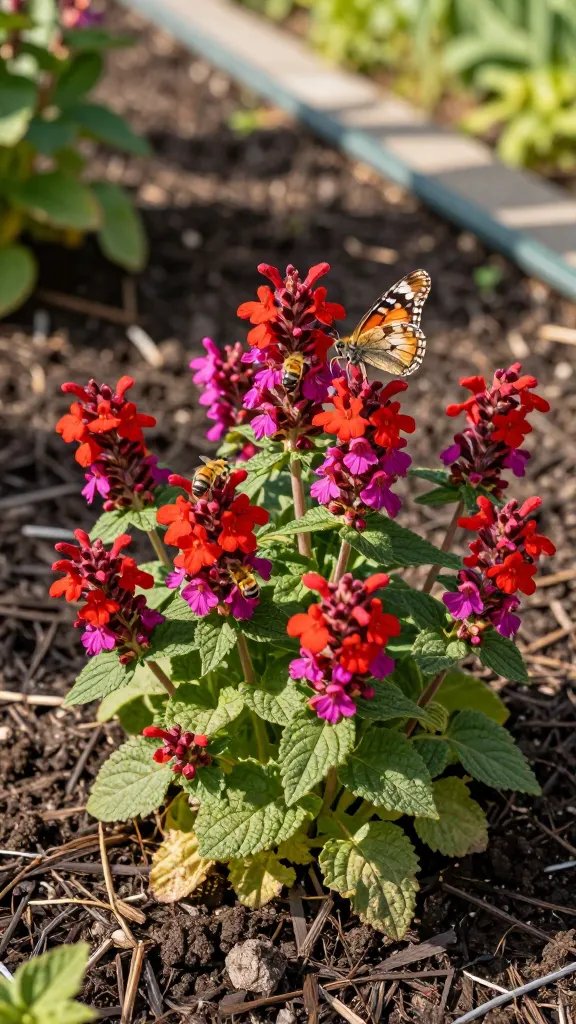
Happy plants throw better parties. Bee balm wants sun, even moisture, and airflow to avoid mildew drama. Get these right and you’ll get a long, lush bloom season.
Quick Requirements
- Sun: 6+ hours daily (light afternoon shade in hot zones)
- Soil: Rich, loamy, well-drained; add compost at planting
- Water: Keep evenly moist; mulch 2–3 inches to lock it in
- Spacing: 18–24 inches to improve air circulation
Dialed-in basics mean more flowers and fewer headaches. IMO, mulch is non-negotiable.
6. Mildew? Not On Our Watch
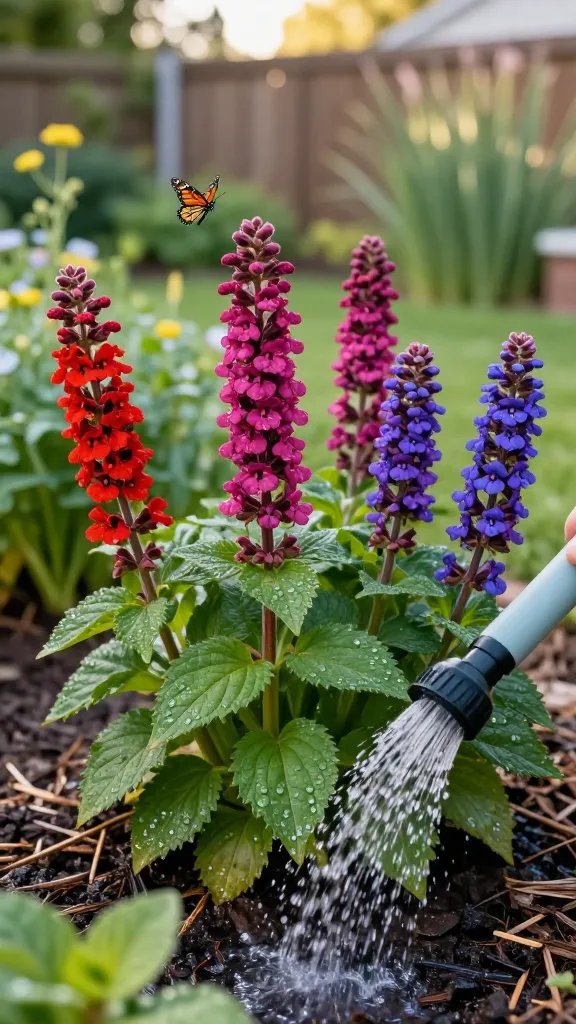
Powdery mildew loves cramped, thirsty bee balm. Don’t give it the invite. Choose resistant cultivars and tweak care to keep foliage clean and lush.
Mildew-Resistant All-Stars
- ‘Jacob Cline’
- ‘Raspberry Wine’
- ‘Grand Marshall’ (compact)
- ‘Blue Stocking’
Water at the base, space plants properly, and snip affected stems early. Healthy leaves = longer bloom and happier butterflies.
7. Height Matters: Build A Layered Butterfly Bar
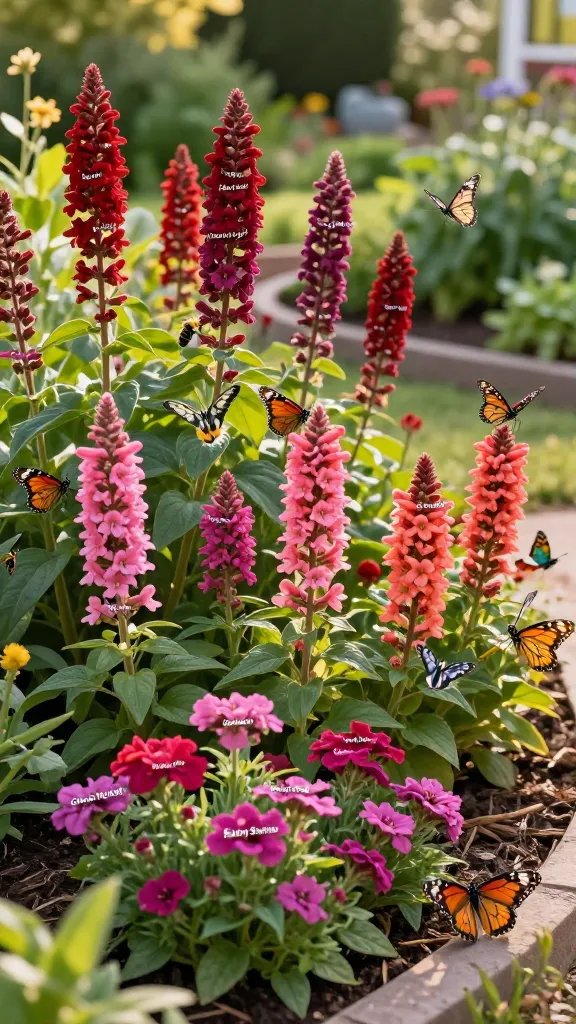
Different butterflies prefer different perches. Give them tiers so everyone finds a comfy feeding spot. Think tall in the back, medium in the middle, dwarf in front.
Height Guide
- Tall (36–48 inches): ‘Jacob Cline’, ‘Raspberry Wine’
- Mid (24–36 inches): ‘Marshall’s Delight’, ‘Coral Reef’
- Dwarf (12–20 inches): ‘Grand Marshall’, ‘Balmy Series’
Layering creates depth and keeps the show going even in breezy conditions. Plus, it looks designer without trying too hard.
8. Companion Plant Combos For A Five-Star Menu
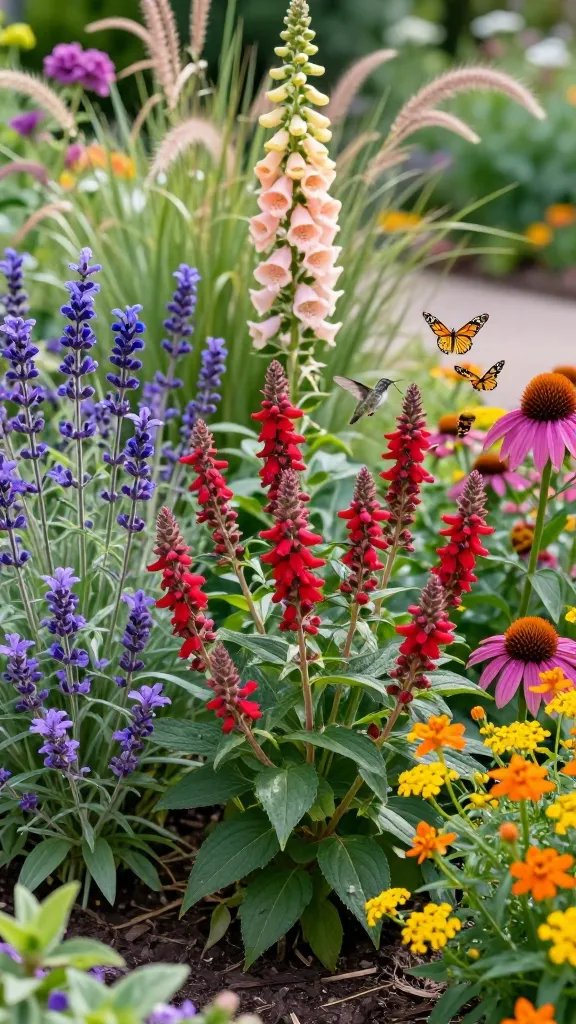
Butterflies want variety, just like us at a picnic. Pair bee balm with nectar-rich buddies that bloom in overlapping waves. You’ll keep guests topped up all season.
Perfect Partners
- Late spring: Salvias, catmint, foxglove
- Early summer: Coneflower, butterfly weed, yarrow
- Foliage filler: Ornamental grasses for texture and perches
Mixing species widens the menu and supports bees and hummingbirds too. Pollinator win-win.
9. Water, Sunbathing, And Shelter: The VIP Amenities
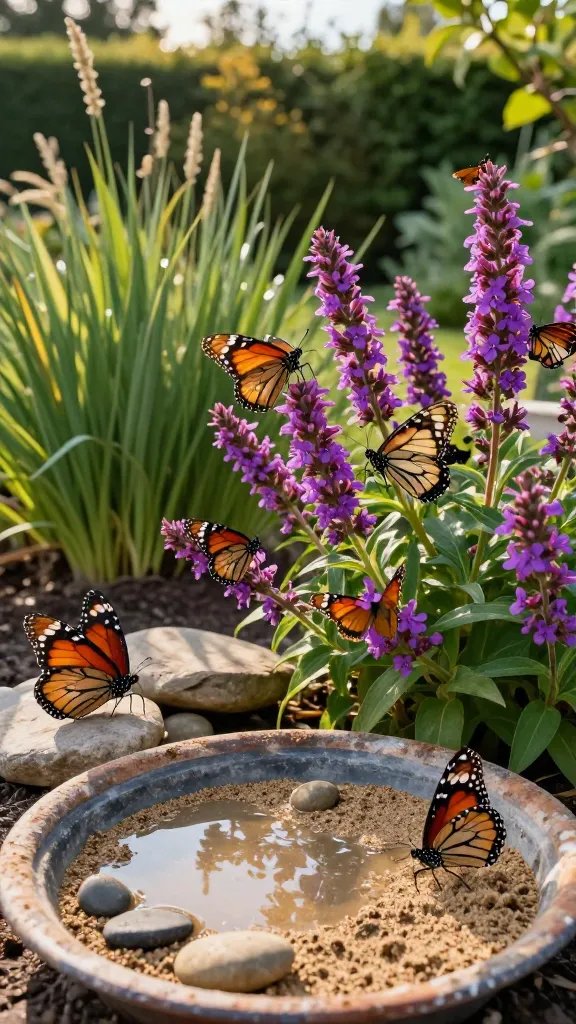
Food is great, but butterflies also need a spa day. Create basking zones, shallow water, and wind breaks so they hang around instead of fly-by snacking.
Easy Add-Ons
- Puddling dish: Pie plate with sand, a few pebbles, and water
- Basking spots: Flat stones in full sun near your bee balm
- Shelter: Dense shrubs or grasses to cut wind
These small upgrades turn your garden into a complete habitat, not just a drive-thru.
10. Plant, Split, Repeat: How To Propagate Like A Pro
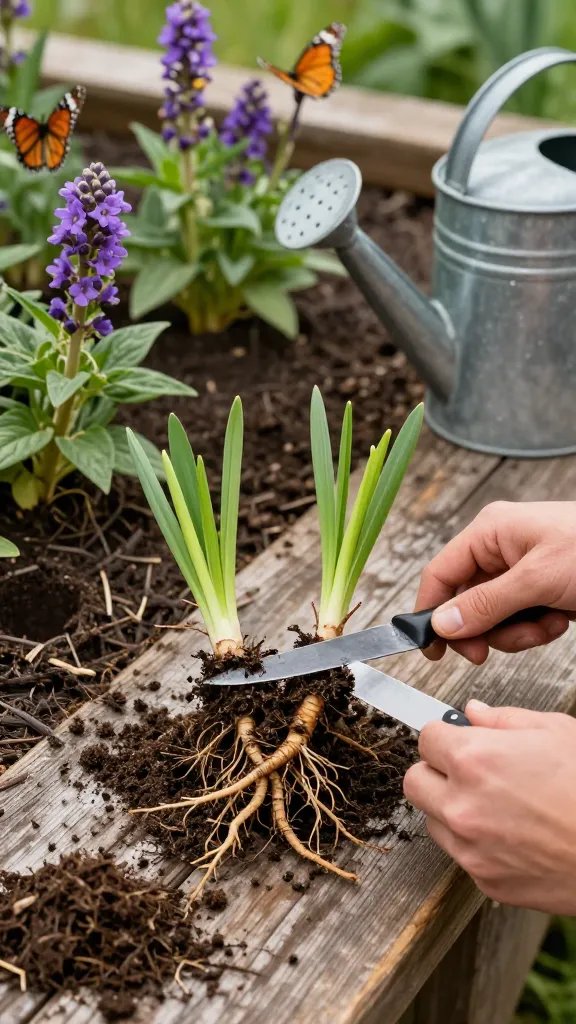
Bee balm expands by rhizomes, which means more plants for free. Divide every 2–3 years to keep clumps vigorous and spread the party around.
Quick How-To
- Time it for early spring or early fall when temps are mild
- Dig up clump, slice sections with 2–3 shoots and healthy roots
- Replant at original depth, water well, and mulch
Propagating keeps blooms strong and lets you gift starts to friends. Sharing is caring (and contagious).
11. Deadhead, Shear, And Feed: Get Longer Bloom
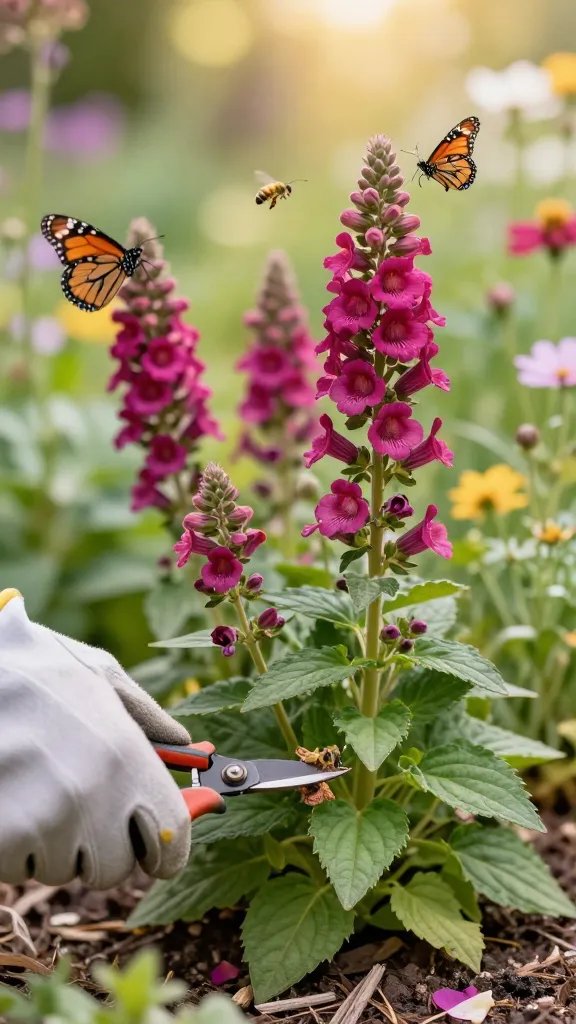
Maintenance = extra flowers, period. Snip off spent blooms and lightly shear after the first flush to coax a second round. Feed lightly so stems don’t flop.
Maintenance Moves
- Deadhead weekly once petals fade
- Shear by one-third after peak bloom to reset the show
- Fertilize modestly with compost or a balanced organic in spring
These quick chores stretch the party into mid-summer and keep nectar cups full. Trust me, it’s worth the 10-minute tune-ups.
12. Native Vibes: Monarda Fistulosa For The Win
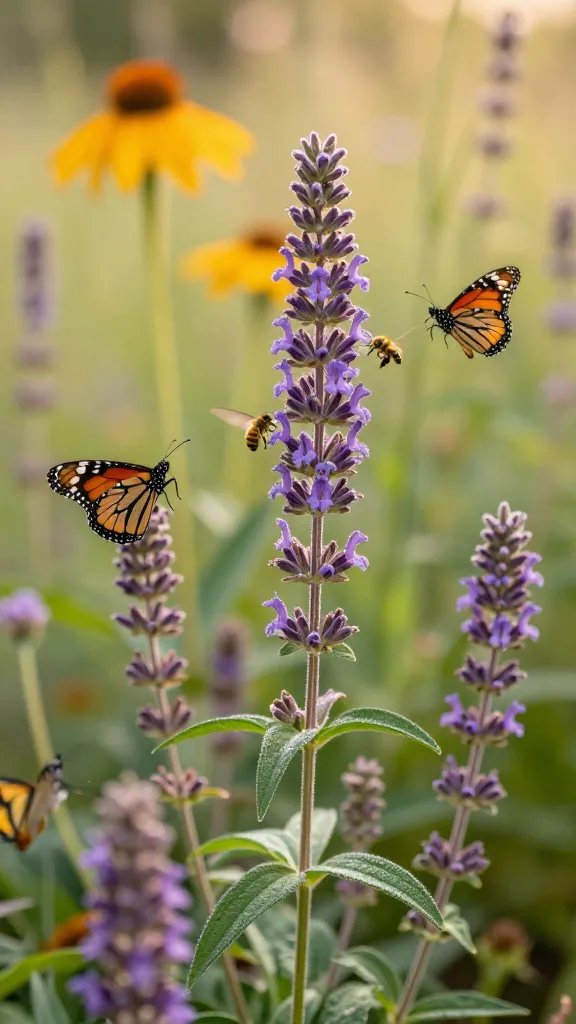
Want a no-fuss, pollinator-approved classic? Go with Monarda fistulosa (wild bergamot). It’s native across much of North America, tough as nails, and beloved by butterflies and bees.
Why It’s Clutch
- Soft lavender blooms that blend with everything
- High wildlife value for butterflies, bees, and hummingbirds
- Adaptable to prairies, meadows, and low-water gardens once established
Use it as the backbone of your butterfly picnic and sprinkle in showy cultivars for drama. Native + flashy equals the perfect garden mashup.
Ready to roll out the nectar carpet? Plant a few of these bee balm beauties, add water and basking stones, and watch the guest list grow. Your late-spring garden will buzz, flutter, and basically host itself—no tiny place cards required.