If your pots look tired, leaves are spotting, or your soil stays soggy for days, you are not alone. Container gardening interest grew by 200% between 2021 and 2022, so a whole lot of us are discovering the same headaches in pots, planters, and vertical gardens. In this guide, we will walk through the most common container gardening problems we see and how we, as fellow gardeners, actually fix them in real containers, not in theory.
Key Takeaways
| Common Question | Short Answer |
|---|---|
| Why are my container plants wilting even when I water regularly? | Often it is poor drainage and compacted soil choking roots, not a lack of water. Our full troubleshooting guide walks through drainage and aeration fixes. walks through drainage and aeration fixes. |
| How do I stop roots from rotting in pots? | Use containers with enough drainage holes or create your own, and match watering habits to pot size. We cover drainage options in detail in this drainage guide. |
| Do I really need to worry about soil pH in containers? | Yes. In a closed pot, pH can drift fast and lock out nutrients. Our soil pH guide shows how to test and adjust with simple materials like lime or ground eggshells. |
| Why do my indoor and balcony plants get so many pests? | Dense foliage, limited airflow, and stressed plants invite pests. See prevention and natural control methods in our container pest control guide. |
| How often should I fertilize container plants? | Most container plants need a consistent program of slow-release plus periodic liquid feeds. We outline a simple three-step plan in this fertilizing article. |
| My plants look stretched with tiny leaves. Is it light or nutrients? | Leggy growth is usually a light problem first. Compare your conditions with the light categories in our light needs guide. |
| How big should containers be to avoid stunted plants? | As a rule, go at least 5 cm to 7.5 cm (two inches) wider than the rootball and deeper for bigger crops. More detail is in our container size explainer. |
1. General Container Gardening Problems: Reading What Your Plants Are Telling You
Most container issues show up first in the foliage. We see the same patterns over and over: wilting, yellowing, crispy edges, or leaves covered in spots. Once you recognize those patterns, it gets much easier to match the symptom to the actual cause inside the pot.
In our own gardens, we start by asking four questions: how is the drainage, how is the watering, how is the light, and when did we last refresh the soil or nutrients. Those four usually lead straight to the fix, especially when combined with a quick look at roots and stems.
Typical symptoms and what they usually mean
- Wilting plants with damp soil often mean poor drainage and low oxygen around the roots.
- Burnt leaf edges can signal excess fertilizer salts or chronic underwatering.
- Leggy plants almost always point to low light or too much shade.
- Yellowing leaves can be nutrient issues, pH drift, or simple overwatering.
- Spotted leaves suggest fungal disease or pests that need quick attention.
2. Poor Drainage And Root Rot: The Silent Container Killers
Too much water in a pot is just as deadly as too little. When water has nowhere to go, it fills every air pocket in the mix, roots suffocate, and rot sets in. From the top, it might look like a thirsty plant, but down below the roots are already mushy.
We always start with the container itself. Every healthy container garden rests on a simple rule: water in, water out quickly. Once drainage is sorted, the rest of the care routine gets much easier to dial in.
Fixing drainage in real-world containers
- Choose pots with multiple drainage holes instead of a single tiny one.
- For decorative pots without holes, either drill your own or use a smaller plastic grow pot nested inside.
- Skip gravel at the bottom. Use a quality potting mix that drains well from top to bottom.
- Raise containers slightly on pot feet or slats so outlets are not sealed against the patio.
3. Watering Problems: Overwatering, Underwatering, And Inconsistent Schedules
Watering is where most container gardening problems start. Pots dry out faster than beds, but they can also stay soaked if the mix is heavy or the pot is oversized. We see stressed plants more from inconsistent watering than from anything else.
Rather than watering on a fixed calendar, we treat each pot as its own mini system. Soil type, pot size, plant size, and weather all change how fast water moves through. Once you read those cues, you avoid almost all water-related issues.
Simple watering habits that actually work
- Check the moisture with your finger 2 to 3 cm below the surface before watering.
- Water deeply until it runs from the drainage holes, then let the top layer dry before the next round.
- Use saucers only if you can dump the excess after 20 to 30 minutes.
- In hot spells, water early morning so plants drink before peak sun.
Did You Know?
48% of U.S. adults report having engaged in outdoor container gardening, so if you are fighting watering issues in pots, you are in very good company.
Source: National Recreation and Park Association
4. Soil pH And Nutrient Lockout In Containers
In ground soils buffer pH shifts over time. In a pot, you have a closed system, so pH can swing quickly from neutral into ranges where key nutrients are locked out. That shows up as yellowing leaves, stalled growth, or odd color patterns, even when you are feeding regularly.
We like to think of pH as the gatekeeper for nutrition in containers. If it is off, you can pour in fertilizer all you want, and the plant still cannot access what it needs. A simple pH test is one of the most useful tools you can keep around for container work.
Practical pH management for pots
- Use fresh, good-quality potting mix that is already pH-balanced.
- Test pH periodically, especially if leaves fade or yellow in strange patterns.
- To raise pH (make soil less acidic), add lime or finely ground eggshells.
- To lower pH, use sulfur or an acidic fertilizer formulated for acid lovers like blueberries.
5. Nutrient Deficiencies And Overfertilizing In Pots
Because roots in containers are trapped in a small volume of soil, they rely completely on what we put in that space. Over time, watering leaches nutrients out of the mix, and plants start to yellow, stay stunted, or produce small, weak flowers and fruit.
On the flip side, it is easy to overdo it with fast-acting fertilizers in a tight container and end up with burnt leaf edges, crunchy tips, or a plant that pushes weak, overly soft growth. The trick is consistency, not intensity.
A simple fertilizing routine that keeps plants steady
- Mix a slow-release fertilizer into the potting soil at planting time.
- Every few weeks in the growing season, supplement with a diluted liquid feed for heavy feeders.
- Once or twice a year, top dress with compost or an organic slow-release option for longer-term nutrition.
We have had the best results in containers when we treat fertilizer like a drip, not a dump. Small, regular doses keep the root zone balanced without salt buildup or shock.
6. Wrong Container Size: Overpotting, Rootbound Plants, And Stunted Growth
Container size plays a much bigger role in plant health than most people expect. Put a small plant in a huge pot, and you get a soggy mix that dries unevenly. Leave a plant crammed in a tiny pot and roots circle endlessly, water runs straight through, and growth stalls.
As a baseline, we follow a simple rule in our own setups. Choose a pot that is at least two inches wider than the existing rootball, and then adjust based on the plant’s growth habit. Fast-growing tomatoes need more depth, shallow herbs can be happy in wide, low bowls.
Matching pots to plants
| Plant Type | Suggested Container Size |
|---|---|
| Basil, parsley, chives | 15 to 20 cm deep, 15 to 25 cm wide |
| Tomatoes, peppers, eggplant | At least a 20 liter pot per plant |
| Dwarf shrubs, small citrus | 30 to 45 cm deep containers with room for root expansion |
| Trailing flowers in mixed planters | Wide containers that allow spacing between rootballs |
7. Light Problems: Leggy, Pale, Or Sunburned Container Plants
Light is one of the easiest variables to overlook on balconies and patios. A plant label that says “full sun” can mean very different things on a blazing south wall versus a gentle morning sun deck. Get the light wrong, and you get leggy stems, weak flowering, or scorched foliage.
We like to measure our container spots by hours of direct sun. Once you know whether a location is truly full sun, partial shade, or low light, then plant selection and placement become much more forgiving.
Reading light stress signs in containers
- Leggy growth and stretched stems usually mean not enough light.
- Scorched, crispy patches, especially on leaves that face the sun, point to too much intense light.
- Plants that lean hard toward a window or balcony edge are begging for better light direction.
- Fruit crops with lots of foliage but few flowers may not be getting full sun long enough each day.
Did You Know?
89% of people are projected to live in urban areas by 2050, which means more of us will rely on container and vertical gardens, where light problems are common and need careful planning.
Source: Garden Media Group Trends Report
8. Humidity, Airflow, And Fungal Disease In Dense Containers
Clustered containers, especially on sheltered balconies or indoors, can create little humidity pockets. That can be great for tropicals that love moisture, but it can also trigger fungal spots, powdery growth, and general leaf decline if air cannot move through the foliage.
We try to balance leaf-level humidity with good airflow. That means grouping plants intelligently, keeping some space between pots, and paying attention to persistent condensation on windows or glass around terrariums and indoor containers.
Practical humidity management
- Most houseplants are happiest around 40 to 60 percent humidity.
- If leaf tips brown and curl, humidity might be too low for that species.
- For disease-prone plants, avoid constantly wet leaves and water the soil directly.
- Use small fans or open windows regularly so air can move through tight container groupings.
9. Pests In Container Gardens: Aphids, Gnats, And Other Unwanted Guests
Containers can be magnets for pests, especially when they are close to doorways, warm walls, or lights. Aphids, spider mites, fungus gnats, and whiteflies all love the protected environment of pots and window boxes. Once they get comfortable, they spread quickly between containers.
We focus heavily on prevention. Healthy, well-spaced plants in good soil fight off pests far better. When a population gets going, we lean on a mix of manual removal, traps, and beneficial insects rather than heavy chemicals, especially on balconies and indoor setups.
Real-world pest control strategies for pots
- Inspect the undersides of leaves weekly for early signs of aphids and mites.
- Use sticky traps and flypaper to keep fungus gnats and flying pests under control.
- Encourage or introduce beneficials like ladybugs and lacewings where appropriate.
- Quarantine any new plant for a bit before moving it into the main container group.
10. Supporting Tall And Vining Plants In Containers
One of the most frustrating container gardening problems is watching a beautiful tomato or climbing plant flop over and snap because it never got proper support. Pots do not hold stakes as firmly as ground soil, so tall plants are more vulnerable to wind and their own weight.
We now plan support at planting time, not after stems start leaning. Once the stakes, trellises, or cages go in early, plants grow up around them, and the roots anchor everything more securely in the pot.
Good support habits for container growers
- Use straight stakes or small trellises set into the pot when you plant.
- Tie stems loosely with soft ties or cloth so they can still thicken.
- For climbing plants in vertical gardens, attach stems gently to the structure as they grow.
- Rotate containers occasionally so plants do not lean too hard toward one light source.
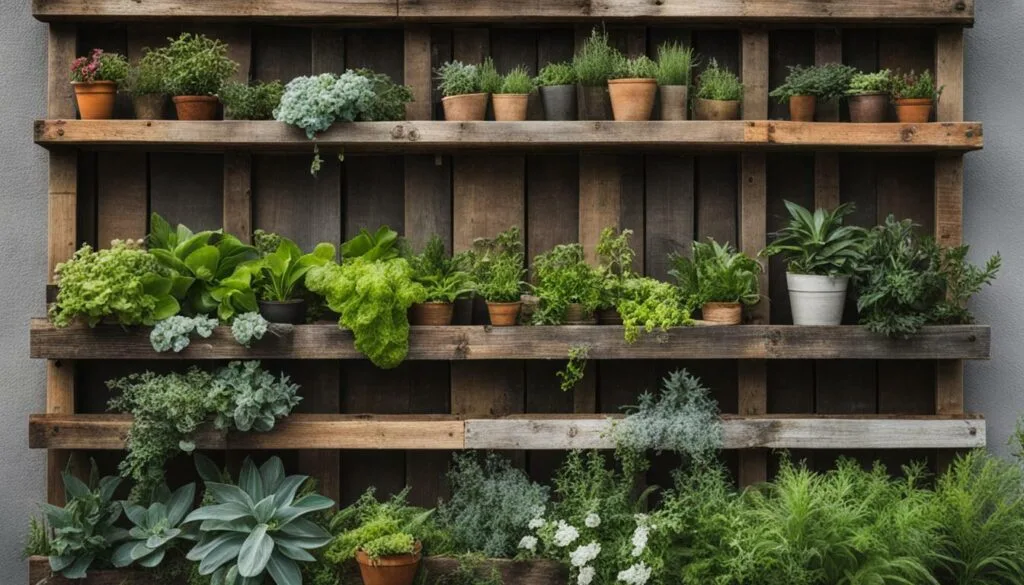
11. Vertical And Pallet Containers: Water, Soil, And Maintenance Quirks
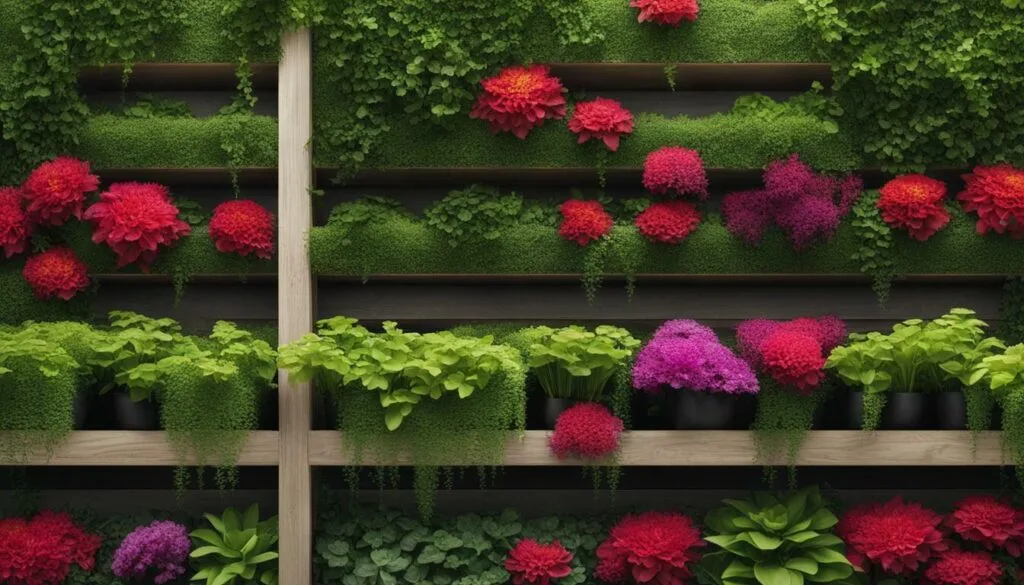
Vertical gardens and pallet planters are a smart response to tight spaces, but they come with their own container-specific problems. Top pockets often dry out faster, lower pockets can stay too wet, and soil can slump or wash out if the structure is not prepared well.
We treat vertical systems as a series of micro containers stacked together. That means paying attention to how water moves from top to bottom, choosing the right mix, and staking or pruning plants so the whole structure stays stable and easy to reach for maintenance.
Tips from our vertical container setups
- Use a slightly more moisture-retentive mix in top pockets, and a freer-draining mix lower down if runoff is an issue.
- Plant the heaviest, deepest-rooted plants closer to the ground for stability.
- Check screws, hooks, and wall fixings regularly, especially after storms or heavy watering.
- Prune more often than in the ground to keep weight and sail area in check.
12. Terrarium And Indoor Container Problems: Mold, Gnats, And Crowding
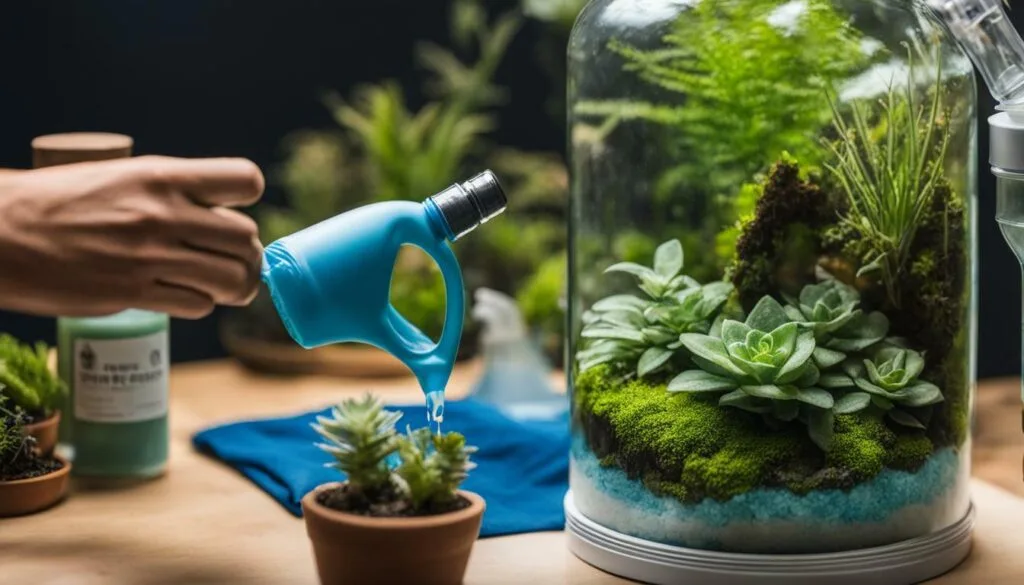
Terrariums and tightly packed indoor containers behave like their own mini climates. If watering is even slightly off, you see condensation, algae, mold, or fungus gnats faster than you would outdoors. Once again, airflow and moderation are the keys.
We find that most terrarium issues come from trying to treat them like regular pots. Closed systems in particular need lighter watering, careful plant selection, and regular inspections so problems never get a foothold.
Indoor container and terrarium troubleshooting
- If the glass stays fogged constantly, open the container and let it air out until the moisture balances.
- Remove dead leaves quickly so they do not become a mold source.
- Use a very free-draining mix for succulents and cacti in containers or terrariums.
- If gnats appear, let the top layer dry more between waterings and consider yellow sticky traps.
Conclusion
Container gardening comes with its own set of problems, but most of them follow predictable patterns. Once you understand how drainage, watering, soil pH, nutrition, light, humidity, and container size interact in that small volume of soil, it becomes much easier to keep pots thriving instead of just surviving.
As fellow gardeners, our goal is not perfection in every single container. It is a steady, practical routine that catches small issues early and keeps the whole collection moving in the right direction. With the troubleshooting tips above, your containers will be far more forgiving, and you will spend more time enjoying them and less time wondering what went wrong.